

What are the disadvantages of an Automatic Test Vacuum Air System?
Hey there! As a supplier of Automatic Test Vacuum Air Systems, I've seen firsthand the many benefits these systems bring to various industries. They're great for ensuring product quality, saving time, and improving efficiency. But like any technology, they're not without their drawbacks. In this blog, I'll dive into some of the disadvantages of an Automatic Test Vacuum Air System.
High Initial Investment
One of the most significant disadvantages is the high initial cost. Setting up an Automatic Test Vacuum Air System requires a substantial amount of money. You're not just paying for the equipment itself, but also for installation, calibration, and training. The system often includes advanced sensors, pumps, and control units, all of which come with a hefty price tag. For small and medium - sized businesses, this can be a major barrier to entry. They might not have the financial resources to invest in such an expensive system, even if it could potentially improve their production processes in the long run.
Complex Maintenance
Maintaining an Automatic Test Vacuum Air System is no walk in the park. These systems are highly complex, with numerous components that need regular upkeep. The vacuum pumps, for example, require frequent oil changes and filter replacements. If not properly maintained, they can break down, leading to costly repairs and production downtime. The sensors and control units also need to be calibrated regularly to ensure accurate testing results. This means you need to have a team of trained technicians on hand to handle the maintenance, which adds to the overall operating cost.
Limited Flexibility
Automatic Test Vacuum Air Systems are designed for specific testing requirements. Once they're set up, it can be difficult to modify them for different products or testing scenarios. For instance, if you're testing a particular type of electronic component and then decide to switch to a different one, you might find that the system isn't well - suited for the new component. You may need to make significant adjustments to the system, which can be time - consuming and expensive. This lack of flexibility can be a problem for companies that produce a wide variety of products or need to adapt quickly to changing market demands.
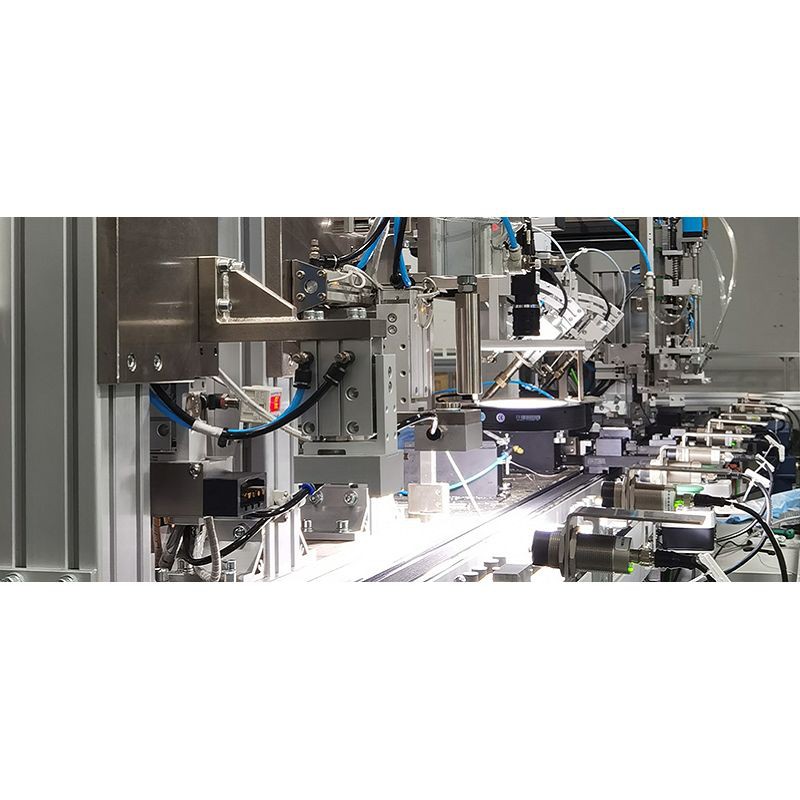

Dependency on Power and Infrastructure
These systems rely heavily on a stable power supply and proper infrastructure. A power outage can disrupt the testing process and potentially damage the equipment. In addition, the system needs a clean and dry environment to operate effectively. Dust, moisture, and other contaminants can affect the performance of the sensors and pumps, leading to inaccurate test results. If your facility doesn't have the right infrastructure in place, you'll need to invest in additional equipment such as air filters and dehumidifiers to ensure the system works properly.
Technical Expertise Required
Operating an Automatic Test Vacuum Air System requires a certain level of technical expertise. The operators need to understand how the system works, how to interpret the test results, and how to troubleshoot any issues that may arise. Training the operators can be a time - consuming and costly process. Moreover, if there's a high turnover of staff, you'll need to keep training new employees, which can be a hassle.
Compatibility Issues
There can be compatibility issues when integrating an Automatic Test Vacuum Air System with other equipment in your production line. For example, if you're using an Electronic Component Silicone Grease Dispenser or Electronic Components Visual Inspection Equipment, the Automatic Test Vacuum Air System may not work well with them. This can lead to inefficiencies in the production process and may require additional adjustments or even the purchase of new equipment to ensure compatibility.
Noise Pollution
The operation of an Automatic Test Vacuum Air System can be quite noisy. The vacuum pumps and other components generate a significant amount of noise, which can be a nuisance for the workers in the vicinity. Prolonged exposure to high - level noise can also cause hearing problems. To mitigate this issue, you may need to invest in sound - proofing materials or relocate the system to a less populated area, which adds to the cost.
Environmental Impact
The use of an Automatic Test Vacuum Air System can have an environmental impact. The vacuum pumps often use oil, which can be a source of pollution if not properly disposed of. In addition, the energy consumption of the system is relatively high, contributing to carbon emissions. As more and more companies are becoming environmentally conscious, this can be a concern.
False Positives and Negatives
The testing results from an Automatic Test Vacuum Air System may not always be accurate. There can be false positives, where the system indicates a defect when there isn't one, or false negatives, where it fails to detect a real defect. This can lead to unnecessary rework or the release of faulty products into the market, which can damage your company's reputation.
Difficulty in Upgrading
Upgrading an Automatic Test Vacuum Air System can be a challenge. As technology advances, you may want to add new features or improve the performance of the system. However, due to the complex nature of the system, it can be difficult and expensive to upgrade. You may need to replace entire components or even the whole system, which is a significant investment.
Comparison with Automatic Test Pressure Air System
When comparing with an Automatic Test Pressure Air System, the Automatic Test Vacuum Air System has some limitations. For example, in some applications, a pressure air system may be more suitable for detecting certain types of leaks or defects. The pressure air system can also be more flexible in terms of testing different types of products.
Despite these disadvantages, an Automatic Test Vacuum Air System still has its place in many industries. It offers high - precision testing and can significantly improve product quality. If you're considering purchasing an Automatic Test Vacuum Air System, it's important to weigh the pros and cons carefully. If you have any questions or want to discuss how an Automatic Test Vacuum Air System can fit into your production process, feel free to reach out. We're here to help you make the best decision for your business.
References
- Industry reports on testing equipment
- Technical documents from equipment manufacturers
- Personal experience as a supplier of Automatic Test Vacuum Air Systems