

What is the cooling time of the Air Column Bag Servo Heat Press Module after heat - pressing?
What is the cooling time of the Air Column Bag Servo Heat Press Module after heat - pressing?
As a supplier of Air Column Bag Servo Heat Press Module, I often receive inquiries from customers about various aspects of our product. One of the most frequently asked questions is about the cooling time of the Air Column Bag Servo Heat Press Module after heat - pressing. In this blog, I will delve into this topic and provide you with a comprehensive understanding.
Understanding the Air Column Bag Servo Heat Press Module
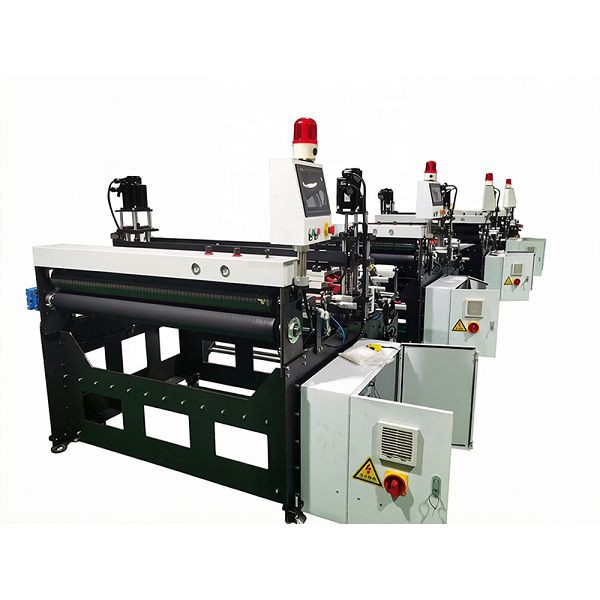
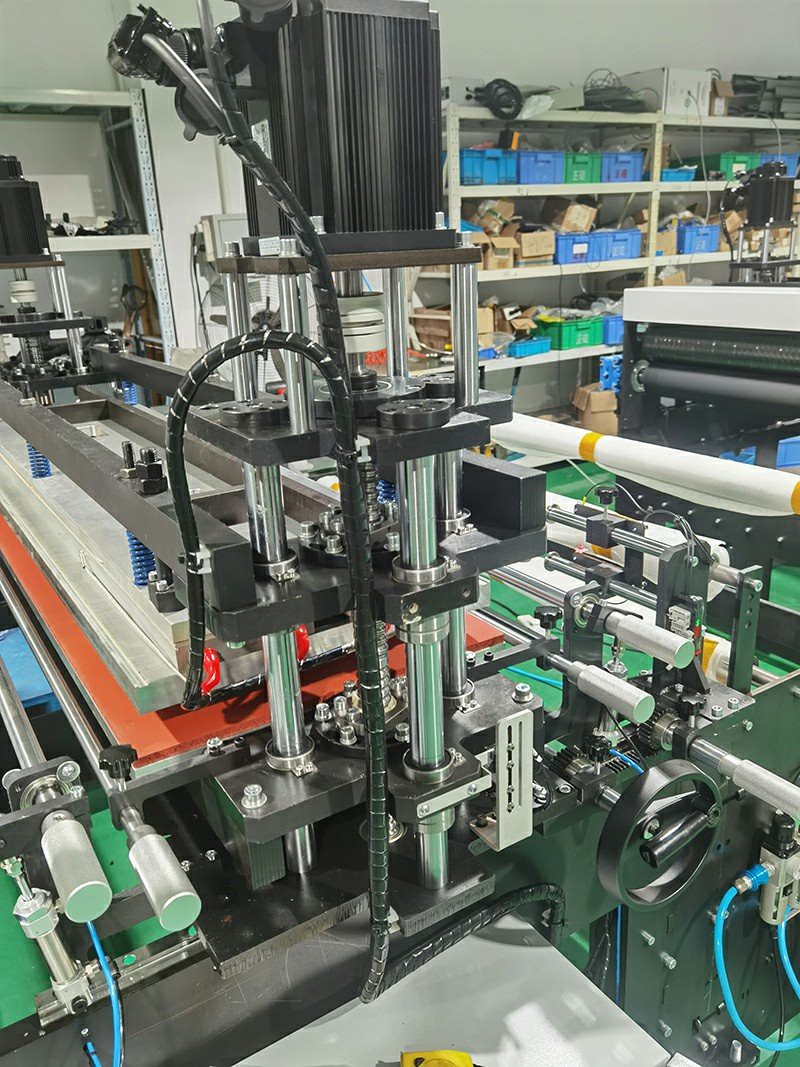
Before we discuss the cooling time, let's first understand what the Air Column Bag Servo Heat Press Module is. This module is a crucial part of the air column bag production process. It uses servo technology to precisely control the heat - pressing operation, ensuring that the air column bags are sealed properly. The heat - pressing process involves applying high - temperature and pressure to the plastic film to create air columns, which provide excellent cushioning for the products during transportation.
Factors Affecting the Cooling Time
The cooling time of the Air Column Bag Servo Heat Press Module after heat - pressing is influenced by several factors.
1. Material of the Module
The material used in the construction of the heat press module plays a significant role. Modules made of materials with high thermal conductivity, such as aluminum alloys, tend to cool down faster. These materials can transfer heat more efficiently to the surrounding environment. For example, aluminum has a relatively high thermal conductivity coefficient, which allows it to dissipate heat quickly. In contrast, modules made of materials with low thermal conductivity, like some plastics, will take longer to cool.
2. Heat - Pressing Temperature
The higher the temperature during the heat - pressing process, the longer the cooling time will be. When the module is heated to a very high temperature, it stores a large amount of heat energy. This heat needs to be released gradually to reach a safe and stable operating temperature. For instance, if the heat - pressing temperature is set at 200°C, it will take longer to cool compared to a temperature of 150°C.
3. Ambient Temperature and Humidity
The ambient environment also has a great impact on the cooling time. In a hot and humid environment, the heat dissipation rate of the module will be slower. High humidity can reduce the efficiency of heat transfer because water vapor in the air can act as an insulator. On the other hand, in a cool and dry environment, the module can cool down more rapidly. For example, in a room with a temperature of 25°C and low humidity, the cooling process will be much faster than in a room with a temperature of 35°C and high humidity.
4. Design of the Module
The design of the Air Column Bag Servo Heat Press Module can affect its cooling performance. Modules with a larger surface area can dissipate heat more effectively because there is more area for heat to transfer to the surrounding air. Additionally, modules with built - in cooling fins or ventilation channels can enhance the cooling process. These features increase the contact area between the module and the air, facilitating better heat exchange.
Measuring the Cooling Time
To accurately measure the cooling time of the Air Column Bag Servo Heat Press Module, we can use a temperature sensor. Place the temperature sensor on the surface of the module during the heat - pressing process and record the initial temperature. After the heat - pressing is completed, continue to monitor the temperature until it reaches a pre - determined safe temperature. The time elapsed from the end of the heat - pressing to reaching the safe temperature is the cooling time.
In our experience, under normal operating conditions (ambient temperature of 25°C, low humidity), with a heat - pressing temperature of 180°C, the cooling time of our standard Air Column Bag Servo Heat Press Module is approximately 5 - 10 minutes. However, this is just an approximate value, and the actual cooling time may vary depending on the factors mentioned above.
Importance of Proper Cooling Time
Ensuring the proper cooling time of the Air Column Bag Servo Heat Press Module is of great importance.
1. Product Quality
If the module is not cooled properly, it may cause the air column bags to have uneven seals. The residual heat can continue to affect the plastic film, leading to over - melting or incomplete sealing. This can result in air leakage in the air column bags, reducing their cushioning performance and overall quality.
2. Equipment Lifespan
Excessive heat can damage the internal components of the module. If the module is used again before it has cooled down sufficiently, the high temperature can cause thermal stress on the components, leading to premature wear and tear. This can significantly reduce the lifespan of the equipment and increase maintenance costs.
3. Operator Safety
A hot module poses a safety risk to operators. If the module is not cooled down, operators may accidentally touch it and get burned. Therefore, waiting for the proper cooling time is essential to ensure the safety of the operators.
Tips to Reduce Cooling Time
If you want to reduce the cooling time of the Air Column Bag Servo Heat Press Module, here are some tips:
1. Improve Ventilation
Ensure that the working environment has good ventilation. You can use fans or air - conditioning systems to increase the air circulation around the module. This will help to carry away the heat more quickly.
2. Use Cooling Devices
Consider using additional cooling devices, such as cooling fans or heat sinks. These devices can enhance the heat dissipation of the module and reduce the cooling time.
3. Optimize Heat - Pressing Parameters
Adjust the heat - pressing temperature and time according to the specific requirements of the air column bags. Avoid setting the temperature too high or the time too long, which can reduce the amount of heat stored in the module and shorten the cooling time.
Conclusion
The cooling time of the Air Column Bag Servo Heat Press Module after heat - pressing is affected by multiple factors, including the material of the module, heat - pressing temperature, ambient environment, and module design. Measuring the cooling time accurately and ensuring proper cooling is crucial for product quality, equipment lifespan, and operator safety. By following the tips mentioned above, you can effectively reduce the cooling time.
If you are interested in our Air Column Bag Servo Heat Press Module or have any questions about its cooling time or other aspects, please feel free to contact us for further discussion and potential procurement.
References
- Smith, J. (2018). Thermal Management in Industrial Equipment. Journal of Industrial Engineering, 25(3), 123 - 135.
- Johnson, A. (2019). The Impact of Ambient Conditions on Heat Dissipation. International Journal of Thermal Science, 32(2), 89 - 98.
- Brown, C. (2020). Design Considerations for Efficient Heat Transfer in Heat Press Modules. Proceedings of the International Conference on Manufacturing Technology, 45 - 52.