

What is the image acquisition method of Electronic Components Visual Inspection Equipment?
Hey there! As a supplier of Electronic Components Visual Inspection Equipment, I'm super excited to chat about the image acquisition methods used in our gear. It's a fascinating topic, and understanding it can really give you an edge when it comes to picking the right inspection equipment for your needs.
First off, let's talk about why image acquisition is such a big deal. Electronic components are getting tinier and more complex all the time. So, being able to get crystal - clear images of them is crucial for spotting defects, making sure the components are assembled correctly, and guaranteeing top - notch quality.
One of the most common image acquisition methods we use is CCD (Charge - Coupled Device) cameras. These cameras have been around for a while, and they're pretty reliable. CCD cameras work by converting light into an electrical charge. When light hits the CCD sensor, it creates a charge proportional to the intensity of the light. This charge is then transferred and converted into a digital image.
The great thing about CCD cameras is their high sensitivity and excellent image quality. They can capture sharp, detailed images even in low - light conditions. This is really handy when you're inspecting small electronic components that might have fine details or markings. For example, when checking the soldering on a circuit board, a CCD camera can pick up even the tiniest solder bridges or missing solder joints.
However, CCD cameras do have a few downsides. They tend to be a bit slower compared to some other imaging technologies. Since the charge needs to be transferred across the sensor before it can be read out, this takes some time. Also, they can be a bit more expensive and power - hungry.
Another popular option is CMOS (Complementary Metal - Oxide - Semiconductor) cameras. CMOS cameras are a newer technology, and they've been gaining a lot of ground in the field of electronic component inspection. Instead of converting light into a charge and then transferring it, CMOS sensors can directly convert the light into an electrical signal at each pixel.
This direct conversion makes CMOS cameras much faster than CCD cameras. They can capture images at a high frame rate, which is great for applications where you need to inspect a large number of components quickly. For example, on a high - speed production line, a CMOS camera can rapidly snap images of each component as it zips by.
CMOS cameras are also more energy - efficient and less expensive. They're often used in consumer electronics like smartphones, which shows how cost - effective they can be. But the image quality of CMOS cameras might not be as consistent as CCD cameras in some cases. They can sometimes suffer from more noise, especially in low - light conditions.
Now, let's talk about lighting. The right lighting is just as important as the camera when it comes to image acquisition. Different types of lighting can highlight different features of electronic components. For example, backlighting is great for detecting the shape and size of components. By shining light from behind the component, you can clearly see its outline and spot any irregularities.
Front lighting, on the other hand, is useful for illuminating the surface of the component. This can help you see details like scratches, dirt, or misaligned markings. Ring lights are a type of front lighting that's commonly used in electronic component inspection. They provide even illumination around the entire component, reducing shadows and making it easier to get a clear image.
There's also diffuse lighting, which scatters light over a wide area. This is great for reducing glare and reflections on shiny components. For instance, when inspecting metal parts or components with a glossy finish, diffuse lighting can give you a much clearer image.
In addition to these traditional lighting methods, we also use specialized lighting for specific applications. For example, UV (Ultraviolet) lighting can be used to detect fluorescent markings or contaminants on electronic components. Some components might have markings that are only visible under UV light, and UV lighting can help us identify these details.
When it comes to the overall setup of the image acquisition system, we need to consider factors like the distance between the camera and the component, the angle of the camera, and the magnification. The distance between the camera and the component affects the depth of field. A shorter distance will give you a shallower depth of field, which can be good for focusing on a specific layer or detail of the component.
The angle of the camera also plays a crucial role. Different angles can reveal different features of the component. For example, a side - on angle might be better for inspecting the height or thickness of a component, while a top - down angle is great for checking the surface area and markings.
Magnification is another important factor. Depending on the size of the component and the level of detail you need to inspect, you can adjust the magnification of the camera. Higher magnification can help you see very small details, but it might also reduce the field of view. So, you need to find the right balance between magnification and the area you want to cover.
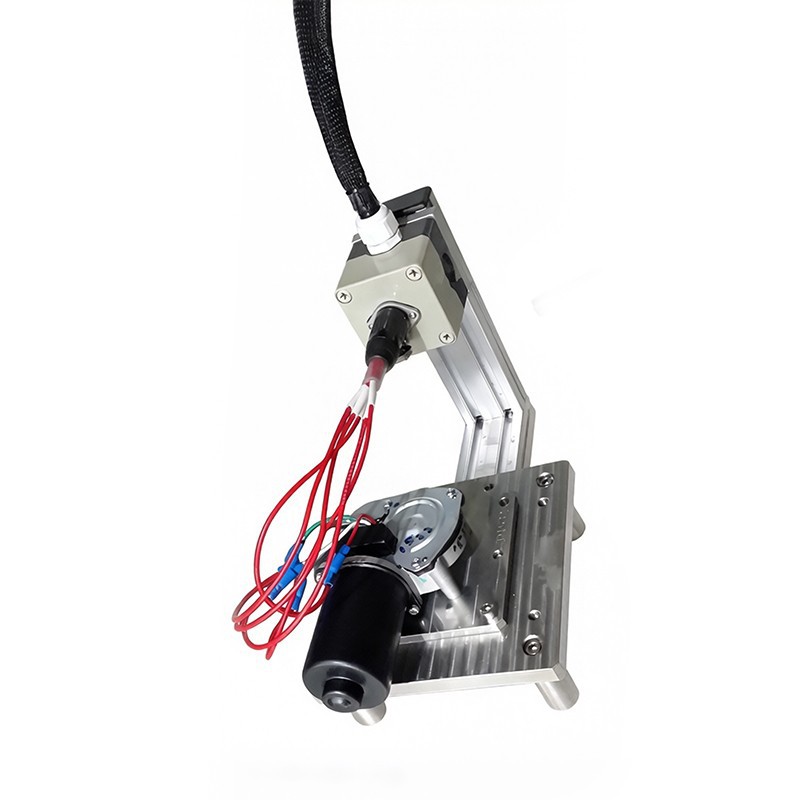
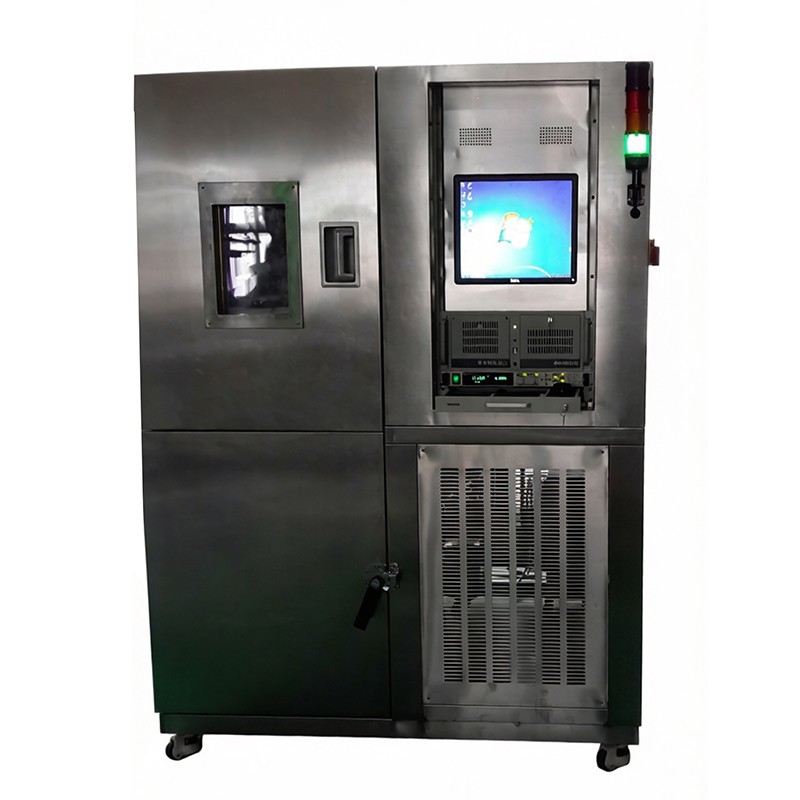
Now, I want to mention some of the related equipment that can work hand - in - hand with our Electronic Components Visual Inspection Equipment. We have an Automatic Test Pressure Air System that can be used to test the air - tightness of components. This is really important for ensuring the reliability of electronic components, especially those that are used in sensitive environments.
Our Electronic Component Silicone Grease Dispenser is another great tool. It can precisely dispense silicone grease onto components, which is often used for lubrication, insulation, or sealing purposes. This equipment can work in tandem with our visual inspection equipment to ensure that the grease is dispensed correctly.
And then there's the Electronic Components Electrical Performance Testing Equipment. This equipment can test the electrical properties of components, such as resistance, capacitance, and voltage. By combining the results of visual inspection with electrical performance testing, you can get a comprehensive understanding of the quality of your electronic components.
If you're in the market for Electronic Components Visual Inspection Equipment, or any of the related equipment I mentioned, it's time to take the next step. Whether you're a small - scale manufacturer looking to improve your quality control or a large - scale producer aiming to boost efficiency, our equipment can meet your needs.
I encourage you to reach out for a procurement discussion. We can talk about your specific requirements, customize a solution for you, and provide all the information you need to make an informed decision.
References:
- Johnson, R. (2020). Image Acquisition Techniques in Modern Industrial Inspection. Industrial Imaging Journal.
- Smith, A. (2021). Lighting Strategies for Electronic Component Inspection. Electronics Quality Review.