

How does an electronic component silicone grease dispenser work?
Hey there! As a supplier of Electronic Component Silicone Grease Dispensers, I'm super stoked to share with you how these nifty machines work. Silicone grease dispensers are crucial in the electronics industry, ensuring that components get just the right amount of grease for optimal performance and longevity.
Let's start with the basics. A silicone grease dispenser is a specialized tool designed to apply silicone grease precisely to electronic components. Silicone grease is used for various purposes in electronics, such as reducing friction, preventing corrosion, and improving electrical insulation.
The Components of a Silicone Grease Dispenser
First off, we've got the reservoir. This is where the silicone grease is stored. It's usually a container that can hold a certain volume of grease, and it needs to be big enough to last for a decent number of applications but not so large that the grease goes bad before it's used up.
Next up is the pumping mechanism. This is what moves the grease from the reservoir to the dispensing tip. There are different types of pumping mechanisms, but the most common ones use either a piston or a screw. The piston type works by pushing the grease out of the reservoir using a piston that moves back and forth. The screw type, on the other hand, uses a rotating screw to push the grease through the dispenser.
The dispensing tip is another important part. It's designed to control the flow and placement of the grease. The tip can be different shapes and sizes depending on the application. For example, a fine tip might be used for applying grease to small electronic components, while a wider tip could be used for larger areas.
How It Works
When you turn on the silicone grease dispenser, the pumping mechanism starts to work. If it's a piston-type dispenser, the piston moves forward, pushing the grease out of the reservoir and through the dispensing tip. If it's a screw-type dispenser, the screw rotates, forcing the grease towards the tip.
The amount of grease dispensed can be controlled in a few ways. Some dispensers have a simple on/off switch, and you control the amount by how long you hold the switch down. More advanced dispensers, however, have a digital control panel where you can set the exact amount of grease to be dispensed. This is really useful for applications where precision is key.
Once the grease is dispensed, it's important to ensure that it's applied evenly. This is where the design of the dispensing tip comes in. A well-designed tip will spread the grease smoothly and evenly over the surface of the electronic component.
Applications in the Electronics Industry
Silicone grease dispensers are used in a wide range of electronic applications. For example, they're used in the manufacturing of printed circuit boards (PCBs). Grease is applied to the connectors and contacts on the PCB to prevent corrosion and improve electrical conductivity.
They're also used in the assembly of electronic devices such as smartphones, laptops, and tablets. Grease is applied to the moving parts of these devices, such as the hinges and buttons, to reduce friction and wear.
Quality and Testing
As a supplier, we take quality very seriously. That's why we use top-of-the-line Testing Equipment Air Flow Testing System to ensure that our dispensers are working correctly. This system tests the air flow within the dispenser to make sure that the grease is being dispensed at the right rate.
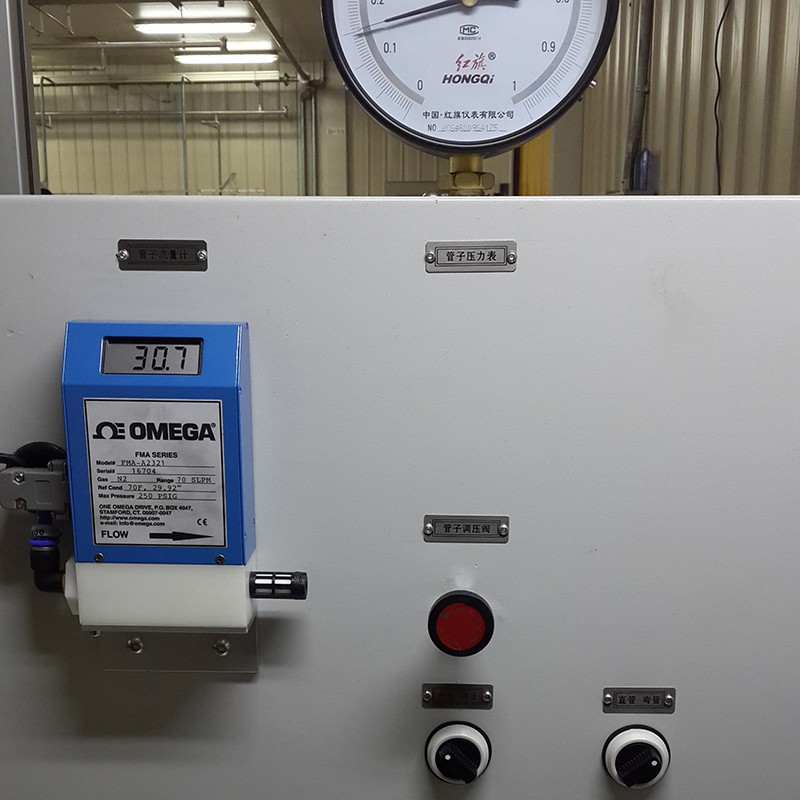
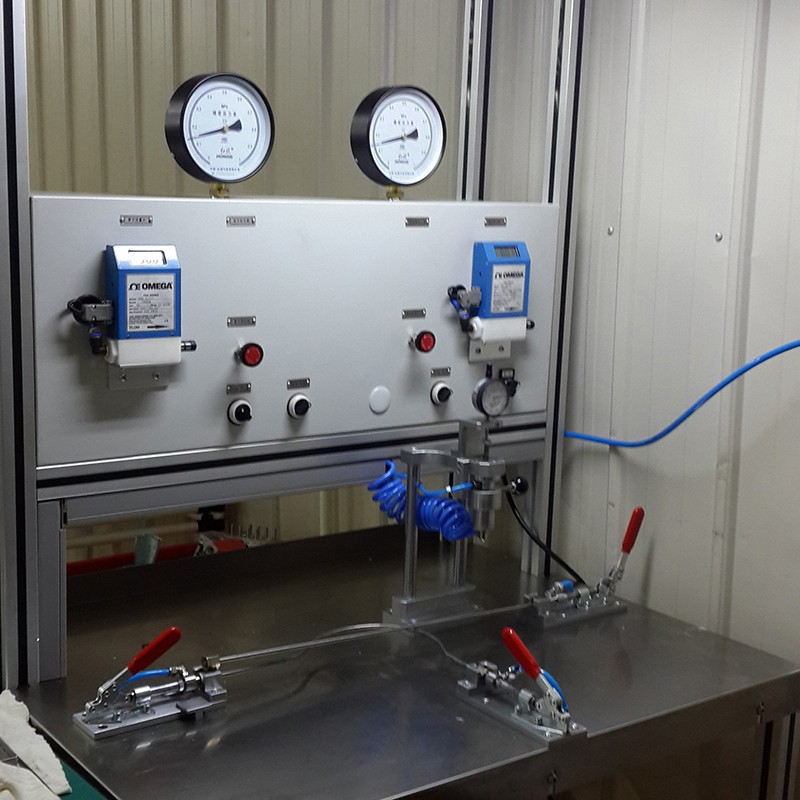
We also use the Automatic Test Pressure Air System to test the pressure within the dispenser. This helps us to ensure that the grease is being dispensed with the right amount of force, which is crucial for accurate application.
In addition, we use Electronic Components Electrical Performance Testing Equipment to test the electrical performance of the components in our dispensers. This ensures that the dispensers are reliable and will work well in real-world applications.
Why Choose Our Electronic Component Silicone Grease Dispensers
There are a few reasons why you should choose our dispensers. Firstly, we use high-quality materials in the construction of our dispensers. This means that they're durable and will last a long time.
Secondly, our dispensers are designed for precision. We understand that in the electronics industry, even the smallest amount of grease can make a big difference. That's why our dispensers are able to dispense grease with a high degree of accuracy.
Finally, we offer excellent customer service. If you have any questions or problems with our dispensers, our team of experts is always ready to help.
Contact Us for Procurement
If you're interested in purchasing our Electronic Component Silicone Grease Dispensers, we'd love to hear from you. Whether you're a small electronics manufacturer or a large corporation, we can provide you with the right dispenser for your needs. Just reach out to us, and we'll be happy to discuss your requirements and provide you with a quote.
References
- Smith, J. (2020). The Basics of Electronic Component Greasing. Electronics Today.
- Johnson, A. (2019). Advancements in Silicone Grease Dispensing Technology. Journal of Electronic Manufacturing.