

How to ensure the smooth operation of a gear reducer automatic assembly production line?
Ensuring the smooth operation of a gear reducer automatic assembly production line is crucial for manufacturers to meet production targets, maintain product quality, and enhance overall efficiency. As a supplier of Gear Reducer Automatic Assembly Production Line, I have witnessed firsthand the challenges and opportunities that come with operating such a complex system. In this blog post, I will share some key strategies and best practices to help you ensure the smooth operation of your gear reducer automatic assembly production line.
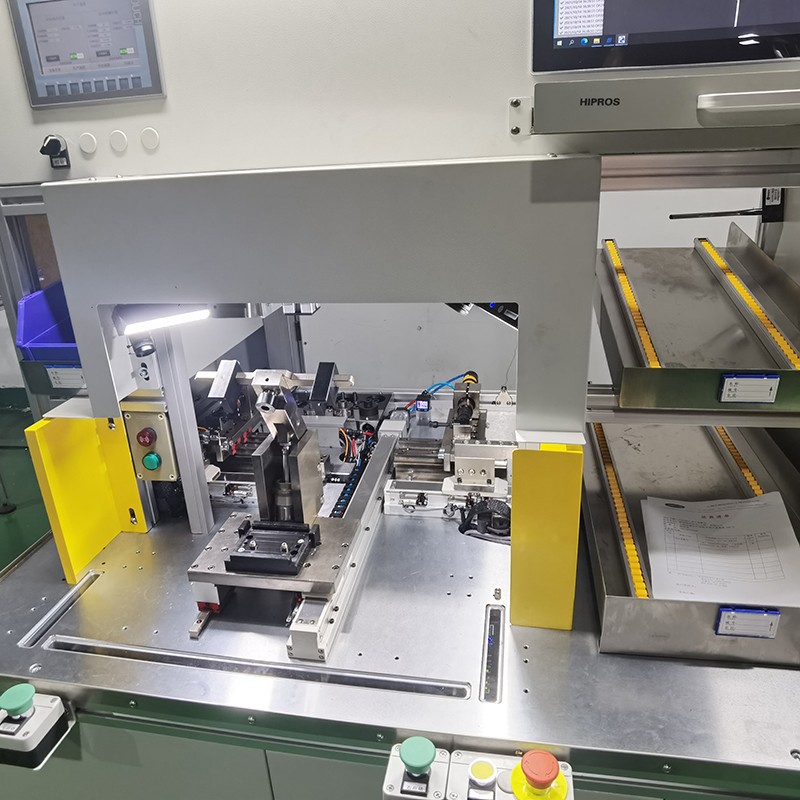
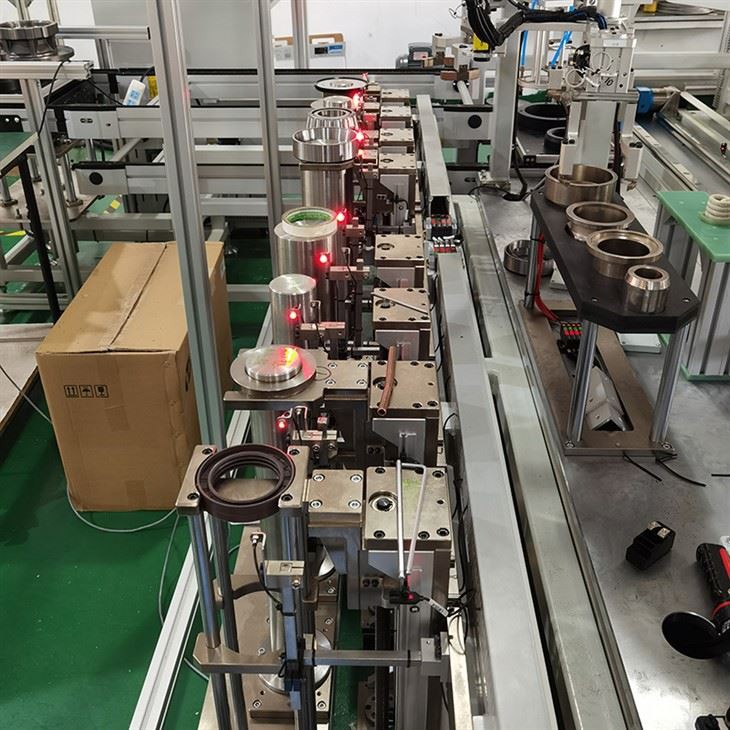
1. Comprehensive Planning and Design
- Understand the Requirements: Before setting up the production line, it is essential to have a clear understanding of the production requirements, including the type of gear reducers to be assembled, production volume, and quality standards. This will help in designing a production line that is tailored to your specific needs.
- Optimize the Layout: The layout of the production line plays a significant role in its efficiency. A well-designed layout should minimize the distance between workstations, reduce material handling, and ensure a smooth flow of components. Consider factors such as the size of the equipment, the movement of operators, and the accessibility of maintenance areas.
- Select the Right Equipment: Choosing the appropriate equipment is crucial for the smooth operation of the production line. Invest in high-quality machines that are reliable, efficient, and easy to maintain. For example, Reducer Bearing Servo Press Machine can provide precise and consistent pressing force, ensuring the proper assembly of bearings in gear reducers.
2. Regular Maintenance and Inspection
- Establish a Maintenance Schedule: Develop a comprehensive maintenance schedule that includes regular inspections, lubrication, and replacement of worn parts. This will help prevent breakdowns and ensure the long-term reliability of the production line.
- Train Maintenance Staff: Provide training to your maintenance staff on the proper operation and maintenance of the production line equipment. They should be familiar with the equipment's specifications, troubleshooting procedures, and safety protocols.
- Use Predictive Maintenance Techniques: Implement predictive maintenance techniques, such as vibration analysis and oil analysis, to detect potential problems before they cause significant downtime. This can help reduce maintenance costs and improve the overall efficiency of the production line.
3. Quality Control and Testing
- Implement Quality Control Measures: Establish a quality control system to ensure that all assembled gear reducers meet the required standards. This can include in-process inspections, final inspections, and testing procedures. Use advanced inspection equipment, such as coordinate measuring machines (CMMs) and vision systems, to ensure the accuracy and quality of the assembled components.
- Conduct Performance Testing: Perform performance testing on the assembled gear reducers to verify their functionality and efficiency. This can include load testing, speed testing, and noise testing. Use the test results to identify any potential issues and make necessary adjustments to the production process.
- Continuous Improvement: Continuously monitor the quality of the assembled gear reducers and identify areas for improvement. Implement corrective actions to address any quality issues and prevent them from recurring in the future.
4. Operator Training and Safety
- Provide Adequate Training: Train your operators on the proper operation of the production line equipment. They should be familiar with the equipment's controls, safety features, and operating procedures. Provide regular refresher training to ensure that operators are up-to-date with the latest techniques and best practices.
- Emphasize Safety: Safety should be a top priority in the operation of the production line. Provide safety training to all operators and ensure that they wear appropriate personal protective equipment (PPE). Implement safety protocols and procedures to prevent accidents and injuries.
- Encourage Operator Feedback: Encourage operators to provide feedback on the operation of the production line. They may have valuable insights and suggestions for improving the efficiency and safety of the production process.
5. Supply Chain Management
- Establish Strong Supplier Relationships: Build strong relationships with your suppliers to ensure a reliable supply of components and materials. Work closely with your suppliers to ensure that they meet your quality requirements and delivery schedules.
- Manage Inventory Levels: Maintain an appropriate inventory level of components and materials to avoid production delays. Use inventory management systems to track inventory levels and reorder components as needed.
- Monitor Supplier Performance: Regularly monitor the performance of your suppliers to ensure that they are meeting your expectations. Provide feedback to your suppliers and work with them to address any issues or concerns.
6. Data Analysis and Optimization
- Collect and Analyze Data: Collect data on the performance of the production line, including production volume, quality metrics, and equipment downtime. Analyze this data to identify trends, patterns, and areas for improvement.
- Use Data-Driven Decision Making: Use the data analysis results to make informed decisions about the operation of the production line. This can include adjusting production schedules, optimizing equipment settings, and implementing process improvements.
- Continuous Optimization: Continuously optimize the production line based on the data analysis results. This can help improve the efficiency, quality, and productivity of the production process.
7. Collaboration and Communication
- Foster a Collaborative Environment: Encourage collaboration and communication among all stakeholders, including operators, maintenance staff, engineers, and management. This can help ensure that everyone is working towards a common goal and that any issues or concerns are addressed in a timely manner.
- Establish Clear Communication Channels: Establish clear communication channels between different departments and teams. This can include regular meetings, reports, and feedback mechanisms.
- Share Knowledge and Best Practices: Share knowledge and best practices among different teams and departments. This can help improve the overall efficiency and effectiveness of the production line.
Conclusion
Ensuring the smooth operation of a gear reducer automatic assembly production line requires a comprehensive approach that includes planning, maintenance, quality control, operator training, supply chain management, data analysis, and collaboration. By implementing these strategies and best practices, you can improve the efficiency, quality, and productivity of your production line, and ultimately, enhance your competitiveness in the market.
If you are interested in learning more about our Gear Reducer Automatic Assembly Production Line or other related products, such as Reducer Bearing Servo Press Machine and Hydraulic Valve Seal Assembly Machine, please feel free to contact us for a consultation. We look forward to working with you to meet your production needs.
References
- Smith, J. (2019). Gear Reducer Assembly: Best Practices and Strategies. Manufacturing Today.
- Johnson, A. (2020). Optimizing Production Line Efficiency: A Guide for Manufacturers. Industrial Engineering Journal.
- Brown, C. (2021). Quality Control in Gear Reducer Assembly: Ensuring Product Reliability. Quality Assurance Magazine.