

What is the response time of an air flow testing system in testing equipment?
In the realm of testing equipment, the response time of an air flow testing system is a critical parameter that significantly impacts the efficiency and accuracy of testing processes. As a leading supplier of Testing Equipment Air Flow Testing System, we understand the importance of this factor and its implications for various industries.
Understanding Response Time in Air Flow Testing Systems
Response time refers to the time it takes for an air flow testing system to detect a change in air flow and provide a corresponding output. This parameter is crucial because it determines how quickly the system can react to fluctuations in air flow, which is essential for accurate and real - time testing.
The response time of an air flow testing system is influenced by several factors. Firstly, the sensor technology plays a vital role. Different types of sensors have different response characteristics. For example, thermal sensors rely on the heat transfer properties of air to measure flow. They typically have a relatively fast response time as they can quickly detect changes in temperature caused by air movement. On the other hand, mechanical sensors, such as vane anemometers, may have a slower response time as they need to physically move in response to the air flow.
Secondly, the design of the testing system itself can affect the response time. The internal components, such as the signal processing circuitry and the communication interfaces, can introduce delays. A well - designed system with high - speed signal processing capabilities can minimize these delays and improve the overall response time.
Importance of Response Time in Different Applications
HVAC Systems
In heating, ventilation, and air conditioning (HVAC) systems, the response time of an air flow testing system is crucial for maintaining optimal indoor air quality and energy efficiency. HVAC systems need to adjust the air flow based on factors such as occupancy, temperature, and humidity. A fast - responding air flow testing system can quickly detect changes in air flow requirements and trigger the appropriate adjustments in the HVAC system. This ensures that the indoor environment remains comfortable and energy is used efficiently.
Industrial Processes
In industrial settings, air flow testing is often used to monitor and control various processes. For example, in manufacturing plants, proper air flow is essential for maintaining a clean and safe working environment. A rapid response time in the air flow testing system allows for immediate detection of any abnormal air flow conditions, such as leaks or blockages. This enables prompt corrective actions to be taken, preventing potential production disruptions and ensuring the safety of workers.
Automotive Industry
In the automotive industry, air flow testing is used in the development and testing of engines and vehicle ventilation systems. A fast - responding air flow testing system can accurately measure the air intake and exhaust flow rates, which is crucial for optimizing engine performance and reducing emissions. It also helps in the design of efficient ventilation systems to provide a comfortable and safe driving environment.
Measuring and Improving Response Time
To measure the response time of an air flow testing system, specialized test setups are used. These setups typically involve creating a sudden change in air flow and recording the time it takes for the system to detect and respond to this change. The measurement is usually done using high - speed data acquisition systems to ensure accurate and precise results.
Improving the response time of an air flow testing system can be achieved through several methods. One approach is to use advanced sensor technologies with faster response characteristics. For example, micro - electromechanical systems (MEMS) sensors are known for their high - speed response and small size. They can be integrated into the air flow testing system to improve its overall performance.
Another method is to optimize the signal processing algorithms. By using efficient algorithms, the system can quickly analyze the sensor data and generate an output. Additionally, reducing the physical distance between the sensor and the signal processing unit can also minimize the signal transmission time and improve the response time.
Our Air Flow Testing System and Response Time
As a supplier of Testing Equipment Air Flow Testing System, we have developed a state - of - the - art air flow testing system with an excellent response time. Our system uses advanced thermal sensors that can detect even the slightest changes in air flow within milliseconds.
The signal processing unit of our system is designed with high - speed processors and optimized algorithms. This allows for rapid analysis of the sensor data and quick generation of accurate results. We also offer a range of customization options to meet the specific needs of different industries.
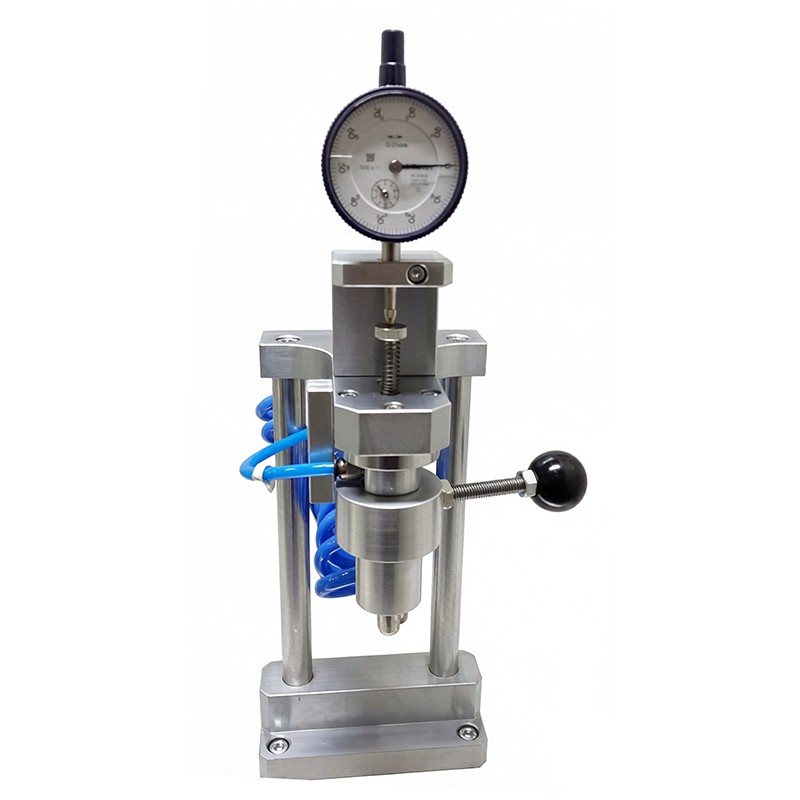
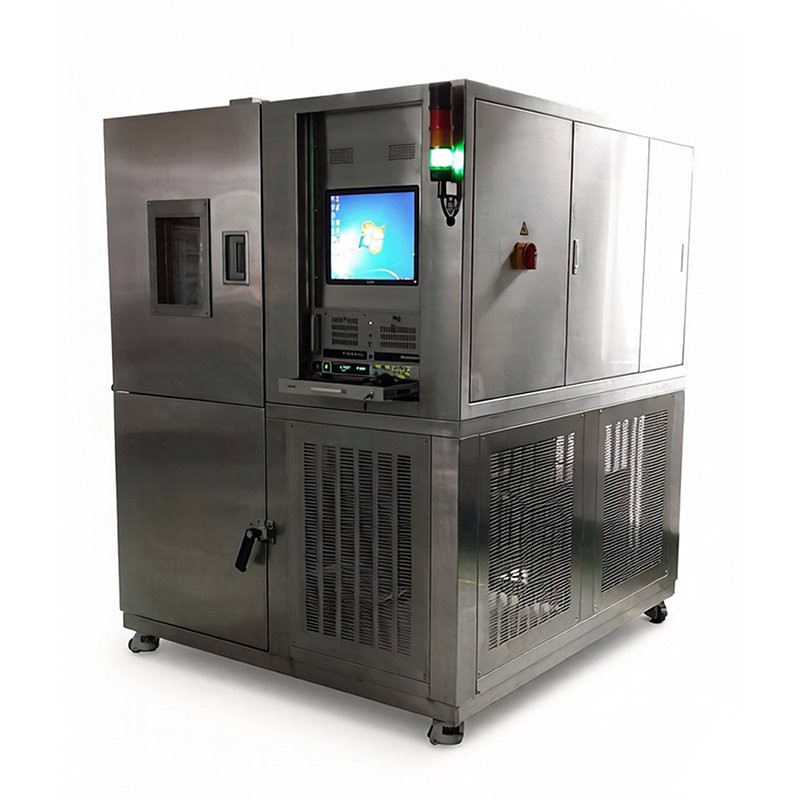
In addition to our air flow testing system, we also provide Electronic Components Electrical Performance Testing Equipment and Electronic Components Visual Inspection Equipment. These products are designed to work in conjunction with our air flow testing system to provide a comprehensive testing solution for various industries.
Conclusion
The response time of an air flow testing system is a crucial factor that affects the efficiency and accuracy of testing processes. A fast - responding system can provide real - time data and enable prompt decision - making, which is essential in many industries. As a supplier of high - quality air flow testing systems, we are committed to providing products with excellent response times and reliable performance.
If you are interested in our products and would like to discuss your specific testing requirements, we invite you to contact us for a procurement discussion. Our team of experts is ready to assist you in finding the best solution for your needs.
References
- "Handbook of Air Flow Measurement" by David A. Lowenstein
- "Thermal Sensors for Air Flow Measurement: Principles and Applications" by John Smith
- "Industrial Air Flow Testing: Best Practices and Standards" by Industrial Testing Association