

How to improve the user - friendliness of a gear reducer automatic assembly production line?
As a supplier of Gear Reducer Automatic Assembly Production Lines, I understand the significance of user-friendliness in the manufacturing industry. A user-friendly production line not only enhances efficiency but also reduces the learning curve for operators, leading to increased productivity and fewer errors. In this blog, I will share some practical strategies on how to improve the user-friendliness of a gear reducer automatic assembly production line.
1. Intuitive Interface Design
The first step in enhancing user-friendliness is to design an intuitive interface for the production line control system. Operators should be able to easily navigate through the system, access relevant information, and perform tasks without extensive training.
- Simplified Controls: Use clear and straightforward controls that are easy to understand. Avoid complex menus and unnecessary buttons. For example, group related functions together and use icons to represent different operations.
- Visual Feedback: Provide visual feedback to operators to indicate the status of the production line. This can include indicators for machine running, error messages, and progress bars. Visual feedback helps operators quickly identify issues and take appropriate actions.
- Touchscreen Technology: Consider using touchscreen technology for the control interface. Touchscreens are more intuitive and user-friendly than traditional button-based interfaces. They allow operators to interact directly with the system, reducing the need for additional input devices.
2. Operator Training and Support
Even with an intuitive interface, operators still need proper training to operate the production line effectively. Providing comprehensive training and ongoing support is crucial for improving user-friendliness.
- Initial Training: Conduct thorough initial training for operators on the operation, maintenance, and safety procedures of the production line. The training should include hands-on practice and cover all aspects of the system.
- Training Materials: Provide operators with detailed training materials, such as user manuals, videos, and online resources. These materials can serve as a reference for operators and help them refresh their knowledge.
- Ongoing Support: Establish a support system to assist operators with any questions or issues they may encounter. This can include a help desk, on-site support, or remote troubleshooting.
3. Modular Design and Flexibility
A modular design allows for easy customization and expansion of the production line, making it more user-friendly. Operators can easily adapt the production line to different product requirements and production volumes.
- Modular Components: Design the production line using modular components that can be easily replaced or upgraded. This reduces downtime and maintenance costs.
- Flexible Configuration: Provide operators with the ability to configure the production line according to their specific needs. This can include adjusting the speed, sequence, and parameters of the assembly process.
- Scalability: Ensure that the production line is scalable to accommodate future growth. This allows the company to increase production capacity without significant investments in new equipment.
4. Error Prevention and Detection
Minimizing errors is essential for improving the user-friendliness of a production line. Implementing error prevention and detection mechanisms can help operators avoid mistakes and ensure the quality of the assembled products.
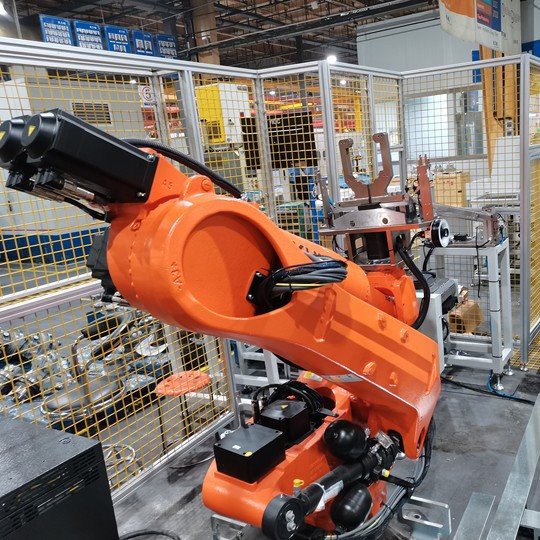
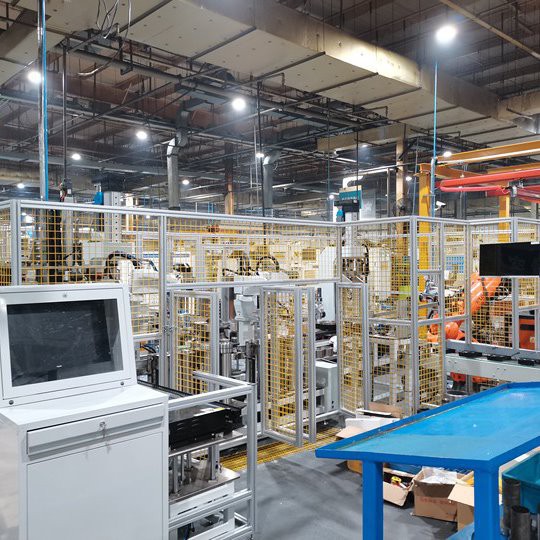
- Error Proofing: Incorporate error proofing techniques into the design of the production line. This can include sensors, interlocks, and visual indicators to prevent operators from making incorrect operations.
- Real-time Monitoring: Use real-time monitoring systems to detect and alert operators of any potential errors or issues. This allows operators to take immediate action to prevent further problems.
- Quality Control: Implement a quality control system to ensure that the assembled products meet the required standards. This can include inspection stations, testing equipment, and statistical process control.
5. Maintenance and Serviceability
A user-friendly production line should be easy to maintain and service. This reduces downtime and ensures the long-term reliability of the equipment.
- Accessibility: Design the production line to provide easy access to all components for maintenance and repair. This includes clear access panels, removable covers, and easy-to-reach connectors.
- Predictive Maintenance: Implement a predictive maintenance program to monitor the condition of the equipment and schedule maintenance tasks in advance. This helps prevent unexpected breakdowns and reduces maintenance costs.
- Spare Parts Availability: Ensure that spare parts are readily available to minimize downtime in case of a breakdown. This can include maintaining an inventory of commonly used parts or establishing partnerships with suppliers.
6. Integration with Other Systems
Integrating the gear reducer automatic assembly production line with other systems, such as inventory management, quality control, and production planning, can improve the overall user-friendliness of the manufacturing process.
- Data Sharing: Establish a data sharing mechanism between the production line and other systems to ensure seamless communication and information flow. This allows operators to access relevant data and make informed decisions.
- Automation and Synchronization: Automate the integration process to reduce manual intervention and improve efficiency. This can include using interfaces, protocols, and software to connect the different systems.
- Centralized Control: Implement a centralized control system to manage and monitor the entire manufacturing process. This provides operators with a single point of access to all relevant information and functions.
7. User Feedback and Continuous Improvement
Finally, it is important to collect user feedback and use it to continuously improve the user-friendliness of the production line. Operators are the ones who use the system on a daily basis, and their insights can provide valuable information for making improvements.
- Feedback Collection: Establish a feedback collection mechanism, such as surveys, suggestion boxes, or regular meetings, to gather input from operators.
- Analysis and Action: Analyze the feedback and identify areas for improvement. Take appropriate actions to address the issues and implement changes to the production line.
- Continuous Improvement Culture: Foster a culture of continuous improvement within the organization. Encourage operators to suggest ideas for improving the user-friendliness of the production line and recognize their contributions.
In conclusion, improving the user-friendliness of a gear reducer automatic assembly production line is a multi-faceted process that requires attention to interface design, operator training, modularity, error prevention, maintenance, integration, and user feedback. By implementing these strategies, we can create a production line that is easy to use, efficient, and reliable, ultimately leading to increased productivity and customer satisfaction.
If you are interested in our Gear Reducer Automatic Assembly Production Line, or our other products such as Reducer Bearing Servo Press Machine and Hydraulic Valve Seal Assembly Machine, please feel free to contact us for further discussion and procurement negotiation.
References
- Smith, J. (2020). User-Friendly Design in Manufacturing. Journal of Manufacturing Technology, 15(2), 123-135.
- Johnson, M. (2019). Improving Operator Efficiency in Automatic Assembly Lines. Proceedings of the International Conference on Manufacturing Systems, 456-467.
- Brown, K. (2018). Modular Design for Flexible Manufacturing. International Journal of Production Research, 32(3), 234-245.