

What are the backup options for an Automatic Test Vacuum Air System?
In the realm of industrial testing and quality control, an Automatic Test Vacuum Air System plays a pivotal role. These systems are designed to ensure the efficiency, safety, and accuracy of various products by subjecting them to vacuum and air - pressure tests. However, like any technology, they are not immune to failures. In this blog, we'll explore the backup options for an Automatic Test Vacuum Air System, as a supplier of such systems, sharing insights and solutions to keep your operations running smoothly.
1. Redundant System Installation
One of the most straightforward and reliable backup options is the installation of a redundant Automatic Test Vacuum Air System. Having a second system on standby means that in the event of a primary system failure, you can immediately switch over to the backup. This approach minimizes downtime and ensures that your production or testing processes can continue without significant interruption.
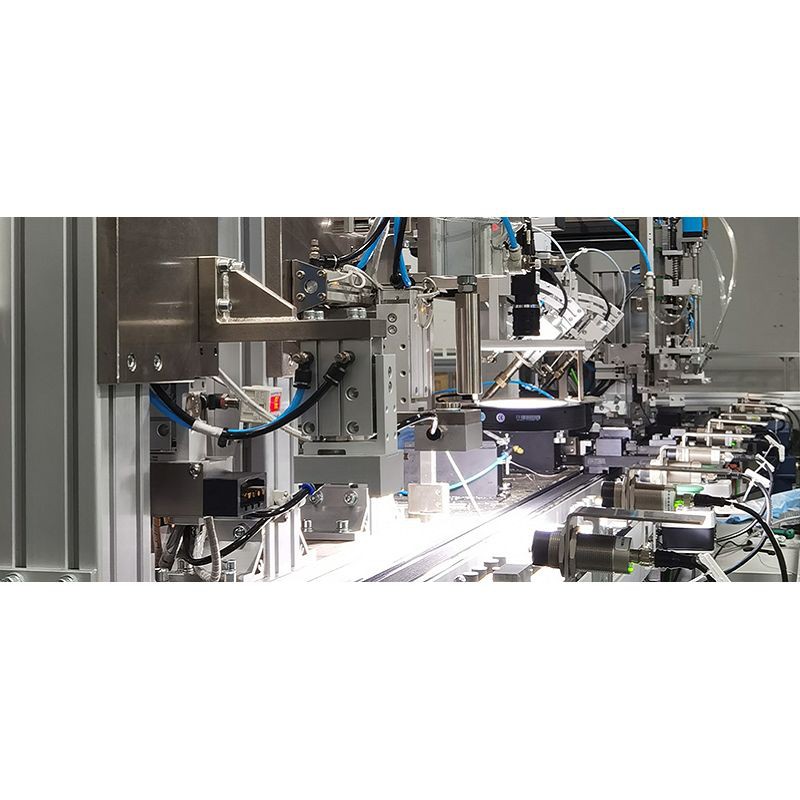
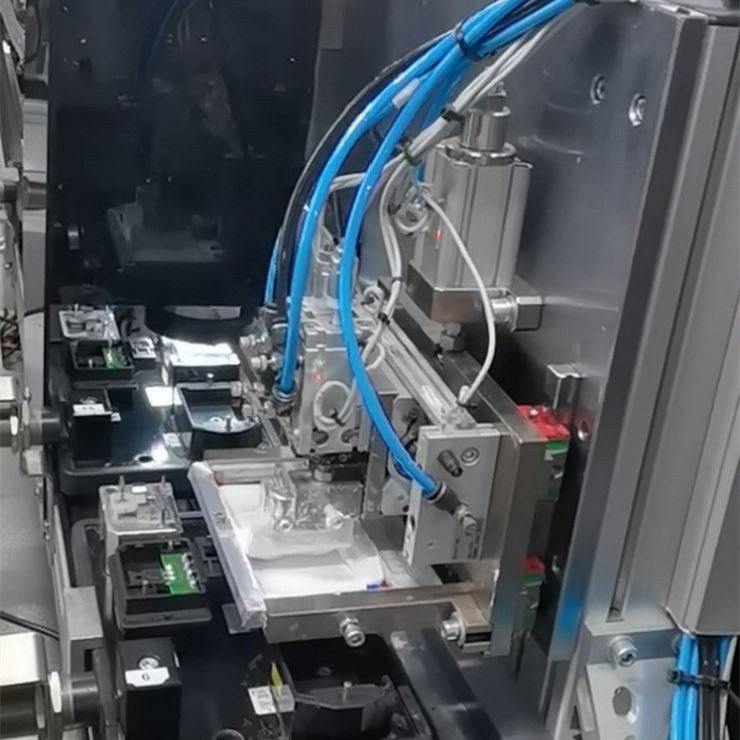
The redundant system should be identical or at least highly compatible with the primary one. This allows for seamless integration into the existing workflow. It should also be regularly maintained and tested to ensure that it is in perfect working condition when needed. By investing in a redundant system, you are essentially creating an insurance policy for your testing operations.
2. Manual Override and Backup Controls
Another backup option is to incorporate manual override and backup controls into the Automatic Test Vacuum Air System. In case of an electronic or software malfunction, these manual controls can be used to operate the system. Manual overrides typically involve physical switches and knobs that allow operators to adjust the vacuum and air pressure settings, start and stop the testing process, and perform other essential functions.
This backup option provides a simple yet effective way to keep the system running during a crisis. However, it requires well - trained operators who are familiar with the manual operation of the system. Regular training sessions should be conducted to ensure that operators can quickly and safely use the manual controls when necessary.
3. Spare Parts Inventory
Maintaining a comprehensive spare parts inventory is crucial for the backup of an Automatic Test Vacuum Air System. Common parts such as vacuum pumps, valves, sensors, and seals can fail over time due to wear and tear or other factors. By having these spare parts readily available, you can quickly replace the faulty components and get the system back up and running.
When building your spare parts inventory, it's important to consult with the system manufacturer or supplier. They can provide guidance on which parts are most likely to fail and recommend the appropriate quantity to stock. Additionally, proper storage and organization of the spare parts are essential to ensure easy access and prevent damage.
4. Remote Monitoring and Support
With the advancement of technology, remote monitoring and support have become an increasingly popular backup option for Automatic Test Vacuum Air Systems. By installing sensors and monitoring devices on the system, you can collect real - time data on its performance, including vacuum levels, air pressure, and temperature. This data can be transmitted to a central monitoring station or a cloud - based platform, where it can be analyzed by experts.
In case of a potential issue, the monitoring system can send alerts to the operators or maintenance team. Remote support technicians can then diagnose the problem and provide guidance on how to resolve it. This can save time and reduce the need for on - site visits, especially for minor issues. Some systems even allow for remote software updates and configuration changes, further enhancing the backup capabilities.
5. Alternative Testing Methods
In some cases, it may be possible to use alternative testing methods as a backup for the Automatic Test Vacuum Air System. For example, if the vacuum testing function fails, you could consider using a pressure - based testing method or a visual inspection technique.
Electronic Components Visual Inspection Equipment can be a valuable alternative for detecting defects in electronic components. This equipment uses high - resolution cameras and advanced image processing algorithms to identify surface flaws, cracks, and other issues. Similarly, Testing Equipment Air Flow Testing System can be used to test the air flow characteristics of products, providing an alternative way to assess their performance.
6. Emergency Service Contracts
As a supplier of Automatic Test Vacuum Air Systems, we offer emergency service contracts to our customers. These contracts provide priority access to our technical support team and maintenance services in case of a system failure. Our technicians are trained to quickly diagnose and repair the system, minimizing downtime.
Under an emergency service contract, we also offer on - site support, spare parts replacement, and software updates. This comprehensive approach ensures that your system is always in optimal condition and that you have a reliable backup in case of any issues.
7. Training and Documentation
Proper training and documentation are essential backup options for an Automatic Test Vacuum Air System. Operators should be trained on how to operate the system, perform routine maintenance, and troubleshoot common problems. Training programs should be regularly updated to reflect the latest system features and best practices.
Comprehensive documentation, including user manuals, maintenance guides, and troubleshooting charts, should be provided with the system. This documentation serves as a reference for operators and maintenance personnel, helping them to quickly resolve issues. It also ensures that the system is operated and maintained correctly, reducing the risk of failures.
8. Integration with Other Systems
Integrating the Automatic Test Vacuum Air System with other systems in your production or testing environment can provide additional backup options. For example, if the system is integrated with a production line control system, it can be automatically shut down or adjusted in case of a failure. This can prevent damage to other equipment and ensure the safety of the operators.
Moreover, integration with a quality management system can help to track and analyze the test results, providing valuable insights into the performance of the products and the system itself. This can help to identify potential issues before they cause a system failure.
Conclusion
In conclusion, having a comprehensive set of backup options for an Automatic Test Vacuum Air System is essential for ensuring the continuity of your operations. Whether it's through redundant systems, manual overrides, spare parts inventory, remote monitoring, alternative testing methods, emergency service contracts, training, or system integration, each backup option plays a crucial role in minimizing downtime and maintaining the quality of your products.
As a leading supplier of Automatic Test Vacuum Air Systems, we are committed to providing our customers with the best backup solutions. If you are interested in learning more about our products and backup options, or if you have any questions regarding your Automatic Test Vacuum Air System, we encourage you to contact us for a procurement discussion. Our team of experts is ready to assist you in finding the most suitable backup options for your specific needs.
References
- Industry standards and guidelines for Automatic Test Vacuum Air Systems.
- Manufacturer's documentation for Automatic Test Vacuum Air Systems.
- Technical papers on backup strategies for industrial testing equipment.