

What are the commissioning procedures for packaging industry production equipment?
Hey there! As a supplier in the packaging industry production equipment field, I often get asked about the commissioning procedures for our gear. It's a crucial step that can make or break the performance of the equipment, so I'm stoked to share the ins and outs with you.
First off, let's talk about pre - commissioning checks. Before we even think about firing up the equipment, we need to do a thorough inspection. This includes looking at the physical condition of the machine. We check for any visible damage, like dents, scratches, or loose parts. A small scratch might seem insignificant, but it could potentially lead to bigger problems down the line, like leaks or misalignments.
We also take a close look at the electrical connections. Loose wires can cause short - circuits, which are not only dangerous but can also damage the equipment. We make sure all the cables are properly plugged in, and there are no signs of fraying. And don't forget about the grounding! A good ground connection is essential to prevent electrical hazards.
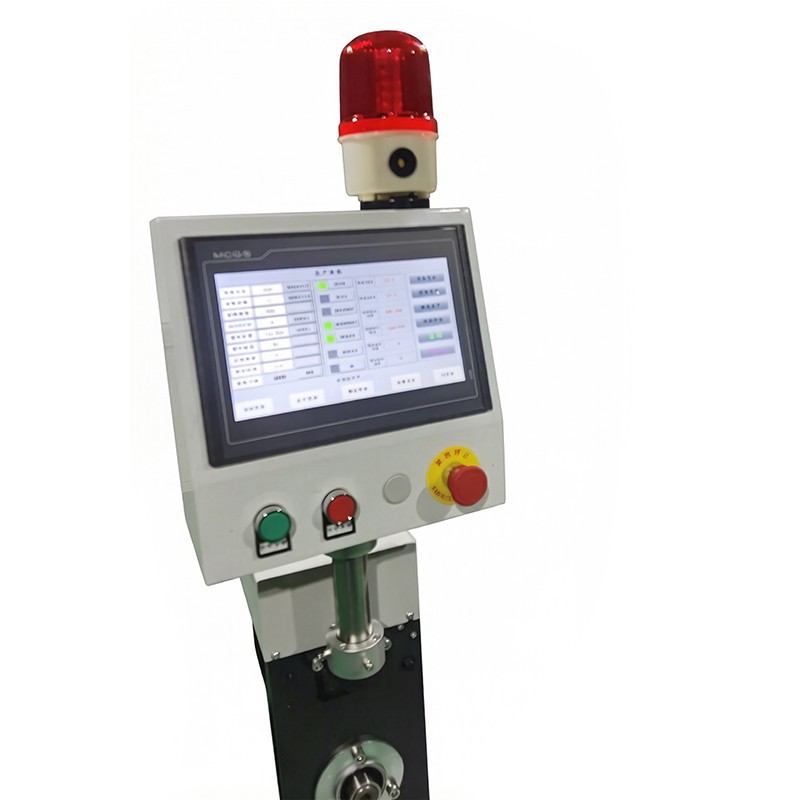
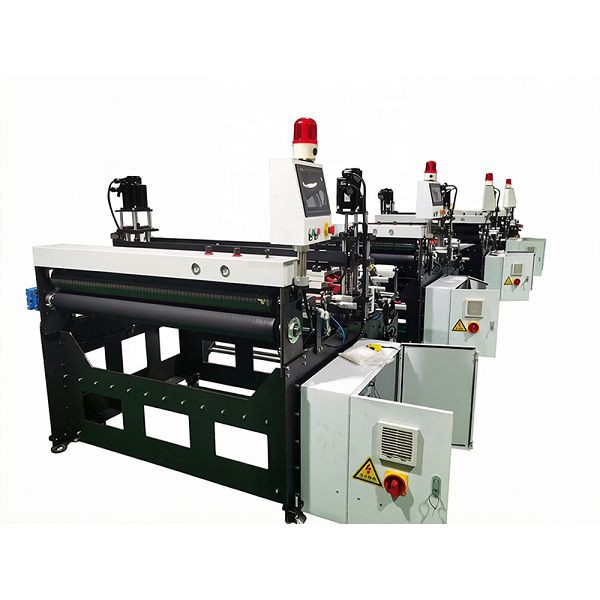
Another important pre - commissioning task is to verify the installation. The equipment needs to be installed on a stable surface. If it's not level, it can cause uneven wear and tear on the moving parts. We use level gauges to ensure that the machine is perfectly horizontal. And the alignment of different components is also key. For example, in a conveyor belt system, the belts need to be aligned correctly so that the products move smoothly.
Once the pre - commissioning checks are done, it's time for the initial startup. This is where we start the equipment for the first time, but we do it in a controlled manner. We start at a low speed or with a minimal load. This allows us to observe how the machine behaves without putting too much stress on it.
During the initial startup, we monitor the equipment closely. We listen for any unusual noises, like grinding or rattling. These could be signs of a problem with the bearings or other moving parts. We also check the temperature of different components. Overheating can indicate issues with the lubrication or the electrical system.
One of the cool pieces of equipment we offer is the Air Column Bag Servo Heat Press Module. When commissioning this module, we pay special attention to the heat - press settings. The temperature needs to be set accurately to ensure that the air column bags are sealed properly. If the temperature is too high, the bags might melt; if it's too low, the seal won't be strong enough.
After the initial startup, we move on to the performance testing. This is where we really put the equipment through its paces. We run it at different speeds and with various loads to see how it performs under different conditions.
For example, in a packaging machine that fills products into containers, we test it with different sizes and shapes of containers. We want to make sure that the machine can handle all the types of products that our customers might need to package. We also measure the accuracy of the filling. If it's off by even a small amount, it can lead to customer dissatisfaction.
We also test the speed and efficiency of the equipment. In the packaging industry, time is money. A machine that can package products quickly and accurately is a valuable asset. We calculate the throughput, which is the number of products that the machine can package in a given time period. If the throughput is lower than expected, we need to figure out what's causing the problem. It could be an issue with the feeding system or the packaging process itself.
Calibration is another crucial part of the commissioning process. All the sensors and measuring devices on the equipment need to be calibrated correctly. For example, in a weighing system, the scales need to be accurate. If they're not, the weight of the packaged products will be incorrect, which can lead to regulatory issues.
We use standard calibration weights and procedures to ensure that the sensors are working properly. And we do this regularly, not just during the initial commissioning. Over time, sensors can drift, so periodic calibration is necessary to maintain the accuracy of the equipment.
Once the performance testing and calibration are done, we conduct a final inspection. This is a comprehensive check to make sure that everything is in order. We go through all the pre - commissioning and performance testing steps again to double - check.
We also make sure that all the safety features are working. In the packaging industry, safety is of the utmost importance. The equipment should have emergency stop buttons, guards, and other safety mechanisms. We test these features to ensure that they work as intended.
If any issues are found during the final inspection, we address them immediately. We make the necessary repairs or adjustments to get the equipment up to par.
After all these steps, the equipment is ready for full - scale production. But our job doesn't end there. We provide training to the operators on how to use the equipment properly. We also offer ongoing support and maintenance services.
If you're in the market for packaging industry production equipment and want to learn more about our commissioning procedures or our products, don't hesitate to reach out. We're here to help you get the most out of your equipment and ensure a smooth production process.
References:
- Packaging Industry Handbook
- Equipment Commissioning Best Practices Guide