

Can an Automatic Test Pressure Air System be used in hazardous environments?
Can an Automatic Test Pressure Air System be used in hazardous environments?
In the realm of industrial testing and quality control, the Automatic Test Pressure Air System has emerged as a crucial tool. As a supplier of this advanced system, I often encounter questions regarding its suitability for use in hazardous environments. This blog aims to thoroughly explore this topic, providing insights based on scientific knowledge and practical experience.
Understanding Hazardous Environments
Hazardous environments are those where there are potential risks to human health and safety, as well as to equipment and property. These risks can stem from various factors such as the presence of flammable or explosive substances, toxic chemicals, high temperatures, or extreme pressures. For example, in the oil and gas industry, refineries and petrochemical plants are considered hazardous environments due to the presence of flammable gases and volatile chemicals. In the mining industry, underground mines can be hazardous because of the risk of gas explosions and dust inhalation.
Features of an Automatic Test Pressure Air System
An Automatic Test Pressure Air System is designed to accurately measure and control air pressure in a variety of applications. It typically consists of sensors, valves, and a control unit that work together to ensure precise pressure regulation. The system can be programmed to perform specific tests, such as leak testing, pressure cycling, and flow rate measurement. Some of the key features of an Automatic Test Pressure Air System include high accuracy, repeatability, and the ability to operate in a wide range of temperatures and pressures.
Suitability for Hazardous Environments
The use of an Automatic Test Pressure Air System in hazardous environments requires careful consideration of several factors. Firstly, the system must be designed to meet the safety standards and regulations applicable to the specific hazardous environment. For example, in areas where there is a risk of explosion, the system should be certified as explosion-proof. This means that it is constructed in such a way that it will not ignite flammable substances in the surrounding environment.
Secondly, the materials used in the construction of the system must be resistant to the corrosive and abrasive effects of the hazardous substances present in the environment. For instance, in a chemical plant where there are strong acids and alkalis, the system should be made of materials such as stainless steel or special polymers that can withstand the chemical attack.
Another important factor is the reliability of the system. In a hazardous environment, any malfunction of the test pressure air system could lead to serious consequences. Therefore, the system should be designed with redundant components and fail-safe mechanisms to ensure its continuous operation in case of a failure.
Case Studies
To illustrate the use of an Automatic Test Pressure Air System in hazardous environments, let's consider a few case studies. In a petrochemical plant, the system was used to test the integrity of pipelines and storage tanks. The system was designed to operate in an explosion-proof environment and was able to accurately detect any leaks or pressure variations in the equipment. This helped to prevent potential accidents and ensure the safety of the plant.
In a mining operation, the Automatic Test Pressure Air System was used to test the air quality in underground mines. The system was able to measure the concentration of harmful gases such as methane and carbon monoxide, and provide real-time data to the operators. This allowed them to take appropriate measures to ensure the safety of the miners.
Related Equipment
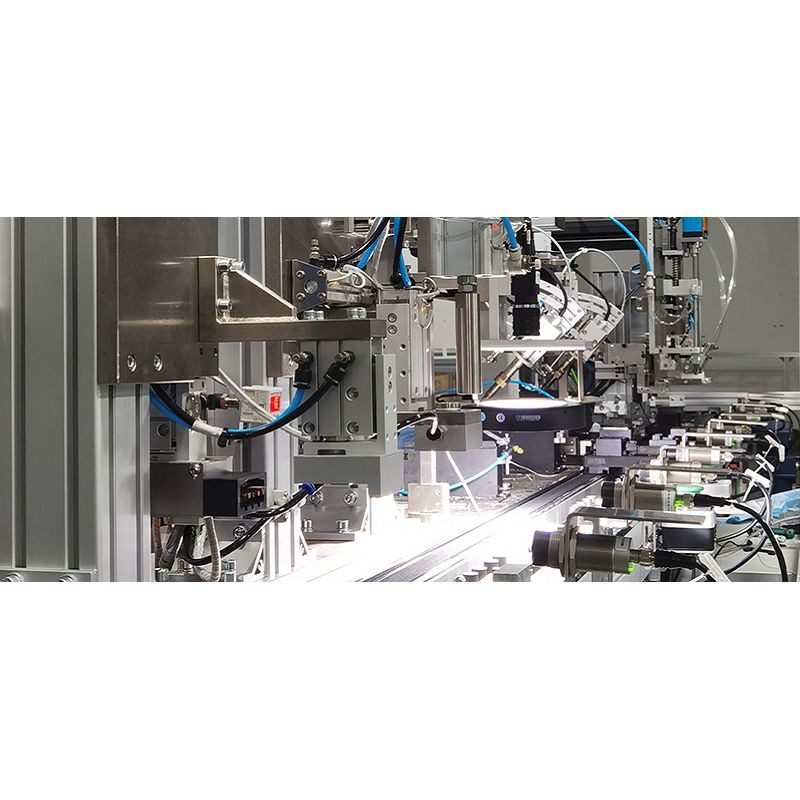
In addition to the Automatic Test Pressure Air System, there are other types of equipment that are often used in conjunction with it in hazardous environments. For example, Electronic Components Visual Inspection Equipment can be used to inspect the components of the test pressure air system for any signs of damage or wear. This helps to ensure the reliability of the system and prevent any potential failures.
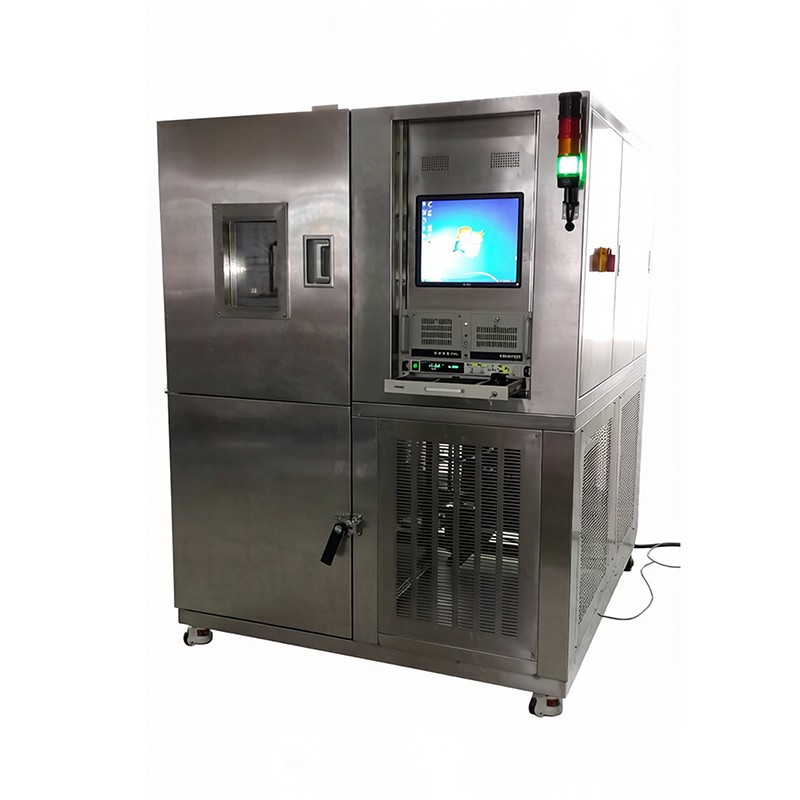
Electronic Components Electrical Performance Testing Equipment can also be used to test the electrical components of the Automatic Test Pressure Air System. This ensures that the system is functioning properly and that there are no electrical faults that could pose a risk in a hazardous environment.
Conclusion
In conclusion, an Automatic Test Pressure Air System can be used in hazardous environments, but it requires careful design, construction, and maintenance to ensure its safety and reliability. By considering the specific requirements of the hazardous environment and selecting the appropriate system and equipment, it is possible to use an Automatic Test Pressure Air System effectively and safely.
If you are interested in learning more about our Automatic Test Pressure Air System and how it can be used in your hazardous environment, please feel free to contact us for a detailed discussion and to explore potential procurement opportunities. We look forward to working with you to meet your testing and quality control needs.
References
- "Safety Standards for Industrial Equipment in Hazardous Environments," International Electrotechnical Commission (IEC).
- "Guidelines for the Use of Pressure Testing Equipment in Chemical Plants," American Institute of Chemical Engineers (AIChE).
- "Mining Safety and Health Regulations," Mine Safety and Health Administration (MSHA).