

What are the environmental requirements for operating a Hydraulic Valve Seal Assembly Machine?
Hey there! I'm a supplier of the Hydraulic Valve Seal Assembly Machine, and today I'm gonna talk about the environmental requirements for operating this machine. It's super important to understand these requirements to ensure the machine works well and lasts a long time.
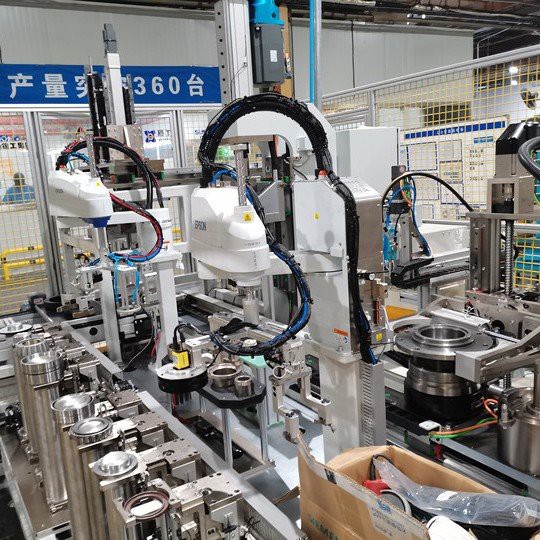
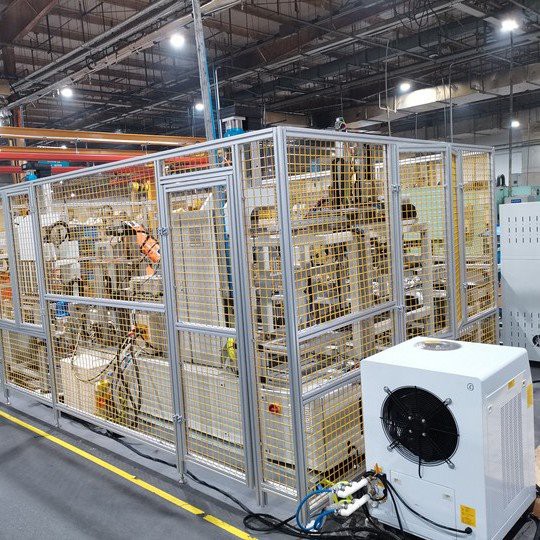
Temperature and Humidity
First off, let's talk about temperature. The Hydraulic Valve Seal Assembly Machine works best within a certain temperature range. Generally, the ideal temperature for operation is between 10°C and 35°C. If it's too cold, like below 10°C, the hydraulic oil in the machine may thicken. This can make the machine operate sluggishly and may even cause damage to some components. On the other hand, if the temperature is above 35°C, the hydraulic oil can overheat. Overheating can lead to a decrease in the oil's viscosity, which means it won't lubricate the parts as effectively. This can cause increased wear and tear on the machine, and in severe cases, it might even lead to system failures.
Humidity is also a crucial factor. The relative humidity should be kept between 30% and 80%. High humidity can cause corrosion on the metal parts of the machine. Moisture in the air can react with the metal, leading to rust. Rust can weaken the structural integrity of the machine and also affect the performance of the seals. Low humidity, on the other hand, can cause static electricity to build up. Static electricity can interfere with the electronic components of the machine and may even cause damage to sensitive sensors.
Cleanliness of the Environment
The environment where the Hydraulic Valve Seal Assembly Machine is operated needs to be clean. Dust and debris can be the machine's worst enemies. Dust particles can get into the hydraulic system and clog the filters. When the filters are clogged, the hydraulic oil can't flow properly, which can lead to increased pressure in the system. This increased pressure can cause damage to the seals and other components.
It's also important to keep the work area free from contaminants. For example, if there are metal shavings or other small particles on the workbench, they can easily get into the machine during the assembly process. These particles can scratch the seals and other parts, reducing their lifespan. To maintain a clean environment, regular cleaning of the work area is necessary. You can use vacuum cleaners or compressed air to remove dust and debris.
Ventilation
Good ventilation is essential for operating the Hydraulic Valve Seal Assembly Machine. The machine generates heat during operation, and proper ventilation helps to dissipate this heat. Without adequate ventilation, the temperature inside the machine can rise rapidly, which we already know can cause problems.
Ventilation also helps to remove any fumes or odors that may be produced by the hydraulic oil or other chemicals used in the machine. Some hydraulic oils can release volatile organic compounds (VOCs) when they are heated. These VOCs can be harmful to the health of the operators. By having good ventilation, the concentration of these harmful substances in the air can be reduced.
Power Supply
A stable power supply is a must for the proper operation of the Hydraulic Valve Seal Assembly Machine. The machine requires a specific voltage and frequency to function correctly. Fluctuations in the power supply can cause the machine to malfunction. For example, if the voltage is too low, the machine may not have enough power to operate at its normal speed. If the voltage is too high, it can damage the electrical components of the machine.
It's recommended to use a voltage stabilizer to ensure a constant power supply. This can protect the machine from power surges and other electrical problems. Also, make sure that the power supply is properly grounded to prevent electrical shocks.
Noise and Vibration
The Hydraulic Valve Seal Assembly Machine can generate a certain amount of noise and vibration during operation. Excessive noise and vibration can not only be a nuisance to the operators but also affect the accuracy of the assembly process. High levels of vibration can cause the parts to shift during assembly, leading to misalignments and poor-quality products.
To reduce noise and vibration, the machine should be installed on a stable foundation. You can also use vibration dampers to absorb the vibrations. Additionally, regular maintenance of the machine can help to keep the noise and vibration levels under control.
Compatibility with Other Equipment
If the Hydraulic Valve Seal Assembly Machine is used in a production line, it needs to be compatible with other equipment. For example, if it's connected to a Reducer Bearing Servo Press Machine or a Gear Reducer Automatic Assembly Production Line, the communication between these machines should be smooth. The environmental requirements of these other machines also need to be considered to ensure that they can all operate together effectively.
In conclusion, understanding and meeting the environmental requirements for operating the Hydraulic Valve Seal Assembly Machine is crucial for its performance and longevity. If you're in the market for a high - quality Hydraulic Valve Seal Assembly Machine or have any questions about its operation and environmental requirements, feel free to reach out for a procurement discussion. We're here to help you make the best choice for your production needs.
References
- "Hydraulic Systems Handbook"
- "Industrial Equipment Operation and Maintenance Guide"