

How does automotive industry production equipment affect the supply chain?
Hey there! I'm a supplier in the automotive industry production equipment business. Over the years, I've seen firsthand how the gear we provide can really shake up the supply chain. Let's dig into how that works.
First off, let's talk about efficiency. The right automotive industry production equipment can turbocharge the manufacturing process. Take Automotive Door Lock Riveting Equipment, for example. This bad boy is designed to quickly and accurately rivet door locks in place. Before we had this kind of equipment, workers had to do it by hand, which was not only slow but also prone to errors. With the automated riveting equipment, the production time for each door lock is significantly reduced.
This increase in efficiency has a domino effect on the supply chain. When production is faster, more products can be made in a shorter period. That means the automotive manufacturers can meet their production targets more easily. They can then ship out finished vehicles to dealerships at a quicker pace. As a result, the whole supply chain from the raw material suppliers to the end - consumers gets a boost. The raw material suppliers see a more consistent demand, and the dealerships can keep their lots stocked with fresh inventory.
Quality control is another huge aspect influenced by production equipment. Our Automotive Electric Strut Assembly Line is a game - changer in this regard. It's equipped with advanced sensors and monitoring systems that ensure each electric strut is assembled to the highest standards. These sensors can detect even the slightest misalignment or defect during the assembly process.
When the quality of the components is high, it reduces the number of defective parts that make it into the final product. This is crucial for the supply chain because defective parts can cause delays. If a batch of electric struts has issues, the automotive manufacturer might have to halt production while they figure out what went wrong and replace the faulty parts. This not only costs time but also money. By using high - quality production equipment, we can minimize these kinds of disruptions in the supply chain.
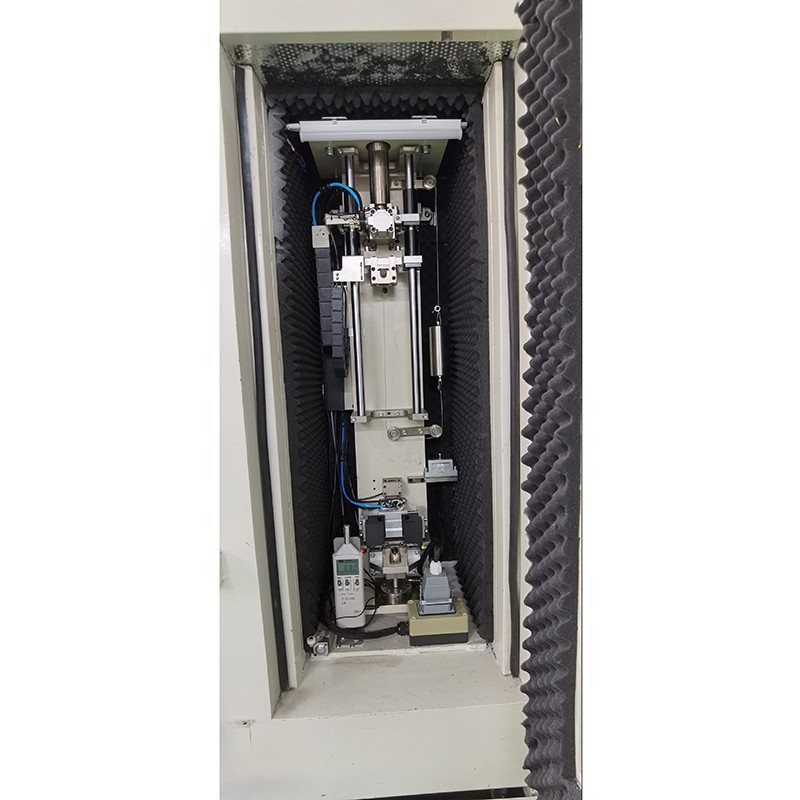
Flexibility is also a key factor. The automotive industry is constantly evolving, with new models and features being introduced all the time. Our production equipment needs to be able to adapt to these changes. For instance, our Electric Strut Assembly Performance Tester can be programmed to test different types of electric struts. Whether it's a new design with different specifications or a modification to an existing model, the tester can be adjusted accordingly.
This flexibility allows automotive manufacturers to quickly switch production between different models. They don't have to invest in brand - new equipment every time there's a change. As a result, the supply chain can be more responsive to market demands. If there's a sudden increase in demand for a particular model, the manufacturer can ramp up production without facing major equipment - related hurdles.
Cost is always a big deal in the supply chain. High - quality production equipment might seem expensive at first, but in the long run, it can save a lot of money. Our automated equipment reduces the need for a large workforce. Fewer workers mean lower labor costs. Also, as we mentioned earlier, better quality control means fewer defective parts, which saves on the cost of rework and replacement.
Moreover, efficient production equipment reduces energy consumption. Modern machines are designed to be more energy - efficient, which cuts down on the overall production cost. These cost savings can be passed on throughout the supply chain. The automotive manufacturer can offer more competitive prices to the dealerships, and the dealerships can, in turn, offer better deals to the consumers.
Now, let's talk about lead times. The time it takes from ordering raw materials to having a finished product on the market is a critical aspect of the supply chain. Our production equipment can significantly reduce lead times. For example, the fast - paced operation of the door lock riveting equipment means that the door locks are ready for assembly much sooner. This allows the automotive manufacturer to start the vehicle assembly process earlier.

Shorter lead times are beneficial for everyone in the supply chain. The raw material suppliers can plan their production more accurately, knowing that their products will be used in a timely manner. The automotive manufacturers can respond more quickly to market trends and consumer demands. And the dealerships can get new models on their lots faster, which can increase sales.
Inventory management is also affected by production equipment. With efficient production, automotive manufacturers can produce just - in - time. They don't have to keep large inventories of components sitting around. This reduces the cost of storage and the risk of components becoming obsolete. For example, if a new technology makes an existing electric strut design outdated, having a large inventory of those struts can be a huge loss. But with our flexible and efficient production equipment, manufacturers can produce components as needed, keeping their inventory levels low.
However, it's not all sunshine and rainbows. There are some challenges associated with using automotive industry production equipment in the supply chain. One of the main challenges is the initial investment. Buying state - of - the - art equipment can be very expensive. Smaller automotive manufacturers might not have the financial resources to invest in the latest technology. This can create a gap in the supply chain, where some manufacturers are able to produce high - quality products quickly, while others struggle.
Another challenge is the need for skilled operators. Our production equipment is complex, and it requires trained personnel to operate and maintain it. If there's a shortage of skilled workers, it can slow down the production process and cause disruptions in the supply chain.
In conclusion, automotive industry production equipment has a profound impact on the supply chain. It can improve efficiency, quality, flexibility, and reduce costs and lead times. However, there are also challenges that need to be addressed. If you're in the automotive industry and looking for top - notch production equipment, I'd love to have a chat with you. We can discuss how our equipment can fit into your supply chain and help you achieve your production goals. Whether you're a small - scale manufacturer or a large - scale player, we've got solutions for you. So, don't hesitate to reach out and start a conversation about procurement.
References
- "Automotive Manufacturing: Technology and Management"
- "Supply Chain Management in the Automotive Industry"