

How to optimize the layout of automotive industry production equipment in a plant?
Optimizing the layout of automotive industry production equipment in a plant is a crucial aspect that can significantly impact the efficiency, productivity, and overall success of an automotive manufacturing operation. As a supplier of automotive industry production equipment, I have witnessed firsthand the challenges and opportunities that come with creating an optimal equipment layout. In this blog, I will share some insights and strategies on how to achieve this goal.
Understanding the Goals of Layout Optimization
Before diving into the details of layout optimization, it's important to understand the key goals we aim to achieve. These typically include:
- Improved Workflow: Ensuring a smooth and efficient flow of materials, components, and products through the production process. This reduces bottlenecks, minimizes handling time, and enhances overall productivity.
- Enhanced Productivity: Maximizing the output of the production line while maintaining high - quality standards. By optimizing the layout, we can reduce idle time, increase machine utilization, and improve the speed of production.
- Safety and Ergonomics: Creating a safe working environment for employees. This involves proper spacing between equipment, clear walkways, and ergonomic design of workstations to prevent injuries and fatigue.
- Cost Reduction: Minimizing costs associated with material handling, energy consumption, and maintenance. A well - designed layout can lead to more efficient use of resources and lower operational expenses.
Analyzing the Current Situation
The first step in optimizing the layout of automotive production equipment is to conduct a thorough analysis of the current plant layout. This includes:
- Mapping the Existing Layout: Create a detailed map of the plant, showing the location of all production equipment, storage areas, workstations, and utility connections. This will help you visualize the current flow of materials and identify any inefficiencies.
- Evaluating Workflow: Observe the movement of materials, components, and products through the production process. Look for areas where there are delays, bottlenecks, or excessive handling. This could be due to poor equipment placement, lack of proper storage, or inefficient transportation routes.
- Assessing Equipment Utilization: Analyze the utilization rate of each piece of production equipment. Identify any under - utilized or over - utilized equipment. This information can help you determine if there is a need to reconfigure the layout or add/remove equipment.
Designing the New Layout
Based on the analysis of the current situation, you can start designing the new layout. Here are some key considerations:
- Process Flow: Arrange the equipment in a logical sequence that follows the production process. This ensures a smooth flow of materials and reduces the need for unnecessary movement. For example, if you are manufacturing automotive tubing, the Automotive Tubing Sealing Test Equipment should be placed close to the tubing production line for efficient testing.
- Space Utilization: Make the most of the available space in the plant. Consider using vertical storage solutions, such as racks and shelves, to maximize storage capacity. Also, ensure that there is enough space between equipment for maintenance, repair, and operator movement.
- Flexibility: Design the layout to be flexible and adaptable to future changes in production volume, product mix, or technology. This could involve using modular equipment or creating open - plan areas that can be easily reconfigured.
- Safety and Ergonomics: Incorporate safety features into the layout, such as clear signage, safety barriers, and emergency exits. Also, design workstations to be ergonomic, with proper seating, lighting, and access to controls.
Implementing the New Layout
Once the new layout is designed, it's time to implement it. This involves:
- Planning the Transition: Develop a detailed plan for the transition from the old layout to the new layout. This should include a timeline, a list of tasks, and a budget. Make sure to communicate the plan to all employees and stakeholders.
- Relocating Equipment: Carefully move and install the production equipment according to the new layout. This may require the assistance of professional movers and equipment installers. Ensure that all equipment is properly calibrated and tested before starting production.
- Training Employees: Provide training to employees on the new layout and the operation of the re - arranged equipment. This will help them adapt to the changes and ensure a smooth transition.
Monitoring and Continuous Improvement
After implementing the new layout, it's important to monitor its performance and make continuous improvements. This includes:
- Collecting Data: Gather data on key performance indicators, such as production output, quality, and equipment utilization. This data will help you evaluate the effectiveness of the new layout and identify areas for improvement.
- Conducting Audits: Regularly conduct audits of the plant layout to ensure that it is still meeting the goals of optimization. Look for any signs of inefficiencies or safety hazards and take corrective action as needed.
- Seeking Feedback: Encourage employees to provide feedback on the new layout. They may have valuable insights and suggestions for improvement based on their daily work experience.
The Role of Advanced Technology
In today's automotive industry, advanced technology can play a significant role in layout optimization. For example:
- Simulation Software: Use simulation software to model different layout scenarios and predict their impact on productivity, workflow, and cost. This allows you to test different ideas before implementing them in the real world.
- Automation and Robotics: Incorporate automation and robotics into the production process to improve efficiency and reduce labor costs. Automated guided vehicles (AGVs) can be used to transport materials and components, while robotic arms can perform repetitive tasks with high precision.
- Internet of Things (IoT): Implement IoT technology to monitor the performance of production equipment in real - time. This allows you to detect potential problems early and take preventive action, reducing downtime and maintenance costs.
Case Studies
Let's take a look at some real - world examples of successful layout optimization in the automotive industry.
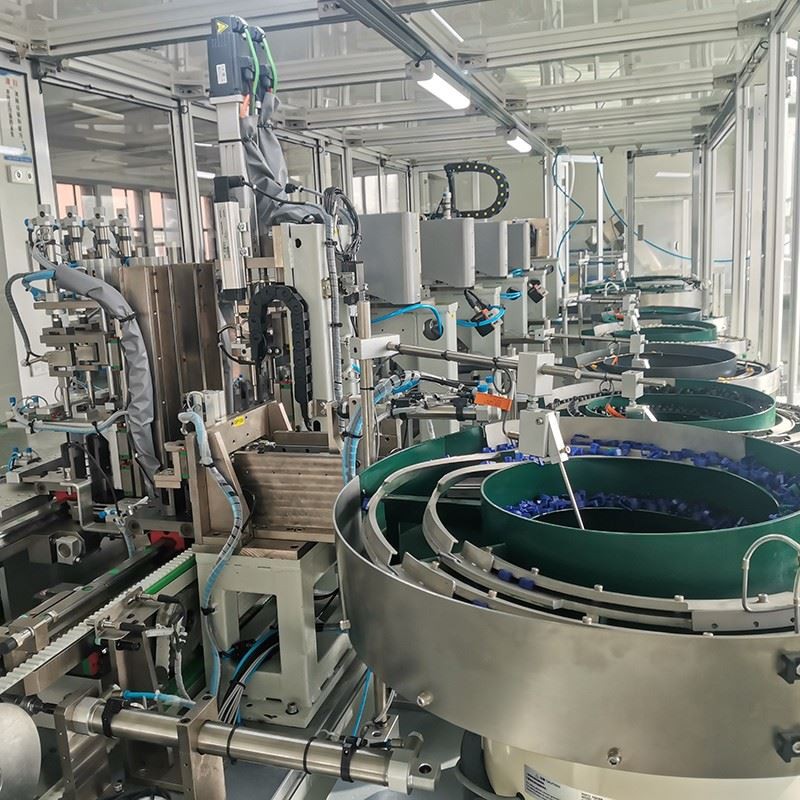
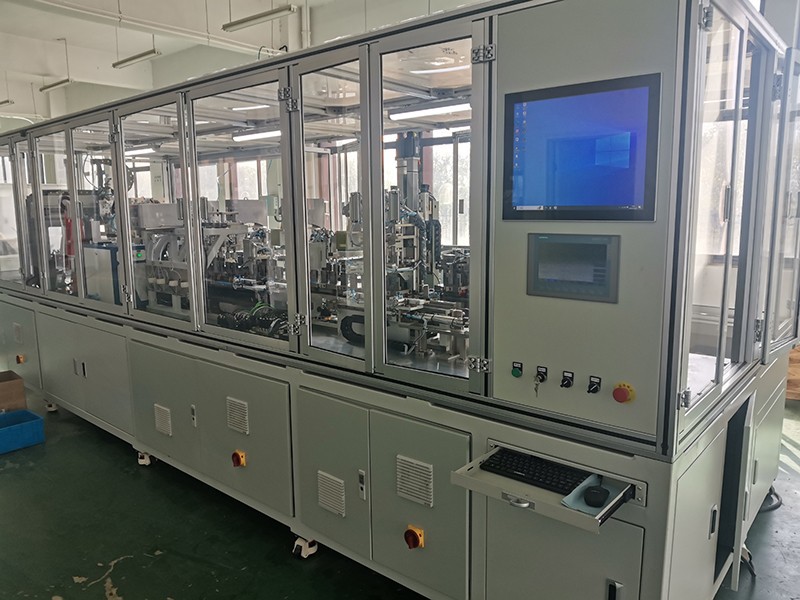
Case Study 1: Automotive Fuel Hose Connector Assembly Line
A manufacturing plant was facing challenges with its Automotive Fuel Hose Connector Assembly Line due to a poor layout. The line was experiencing frequent bottlenecks, and the workers had to walk long distances to access tools and materials. After a detailed analysis, the plant redesigned the layout, grouping related equipment together and creating dedicated storage areas for tools and components. As a result, the production output increased by 20%, and the cycle time was reduced by 15%.
Case Study 2: Automotive Turbocharger Turbine Housing Assembly Equipment
Another plant was struggling with low productivity and high maintenance costs for its Automotive Turbocharger Turbine Housing Assembly Equipment. The layout was causing excessive movement of parts and a lack of access for maintenance. By reconfiguring the layout to create a more linear flow and providing better access to equipment, the plant was able to increase machine utilization by 18% and reduce maintenance costs by 12%.
Conclusion
Optimizing the layout of automotive industry production equipment in a plant is a complex but rewarding process. By understanding the goals of layout optimization, analyzing the current situation, designing a new layout, implementing it effectively, and continuously monitoring and improving, you can achieve significant improvements in productivity, efficiency, safety, and cost - effectiveness. As a supplier of automotive industry production equipment, we are committed to helping our customers achieve these goals. If you are interested in optimizing your plant layout or need more information about our equipment, please feel free to contact us for a consultation.
References
- Groover, M. P. (2010). Automation, Production Systems, and Computer - Integrated Manufacturing. Prentice Hall.
- Chikán, A. (2006). Production and Operations Management. Springer.
- Blackstone, J. H. (2016). APICS Dictionary. APICS.