

What are the challenges in using automotive industry production equipment?
Hey there! I'm a supplier in the automotive industry production equipment field. Over the years, I've seen firsthand the challenges that come with using this kind of equipment. So, let's dive right into what those challenges are.
1. High Initial Investment
One of the biggest hurdles in using automotive industry production equipment is the high initial investment. Whether it's a state - of - the - art Automotive Door Lock Riveting Equipment or a complex Automotive Turbocharger Actuator Assembly Equipment, these machines don't come cheap.
For small and medium - sized automotive manufacturers, shelling out a large amount of capital upfront can be a real pain. They have to consider not only the cost of the equipment itself but also the installation, training, and maintenance costs. And if the equipment doesn't perform as expected, it can lead to a significant financial loss.
2. Technological Obsolescence
The automotive industry is evolving at a breakneck speed. New technologies are emerging all the time, which means that the production equipment can quickly become obsolete. For example, as electric vehicles are becoming more popular, the equipment used for traditional internal combustion engine production may no longer be relevant.
This forces manufacturers to constantly upgrade their equipment to keep up with the latest trends. But upgrading is not only expensive but also time - consuming. It requires shutting down the production line, which can lead to a loss of productivity.
3. Maintenance and Repair
Automotive production equipment is complex and delicate. Regular maintenance is crucial to ensure its smooth operation. However, finding skilled technicians who can handle the maintenance and repair of these machines can be a challenge.
The parts for these machines are often specialized and may not be readily available. This can lead to long downtime if a machine breaks down. And even if the parts are available, the cost of replacement can be quite high.
4. Quality Control
In the automotive industry, quality is of the utmost importance. The production equipment needs to be able to produce parts with high precision and consistency. However, achieving this can be difficult.
There are many factors that can affect the quality of the parts produced, such as the wear and tear of the equipment, the quality of the raw materials, and the skill level of the operators. Any deviation in the production process can lead to defective parts, which can have serious consequences for the safety and performance of the vehicles.
5. Compatibility and Integration
Automotive production often involves multiple pieces of equipment working together. Ensuring that these different pieces of equipment are compatible and can be integrated seamlessly is a major challenge.
For example, if a new Automotive Cooling Water Pipe Assembly Line is added to an existing production setup, it needs to be able to communicate and work in harmony with the other machines. Incompatibility can lead to production bottlenecks and inefficiencies.
6. Safety Concerns
Working with automotive production equipment can be dangerous. There are many moving parts, high - pressure systems, and electrical components. Ensuring the safety of the operators is a top priority.
Manufacturers need to invest in safety training for their employees and install safety features on the equipment. However, even with these measures in place, accidents can still happen. And any safety incident can not only cause harm to the employees but also lead to production disruptions and legal issues.
7. Environmental Regulations
The automotive industry is subject to strict environmental regulations. The production equipment needs to comply with these regulations to reduce its environmental impact.
For example, some equipment may produce a lot of waste or emissions. Manufacturers need to find ways to minimize these impacts, which may require additional investment in pollution control equipment or the use of more environmentally friendly materials.
8. Supply Chain Disruptions
The supply chain for automotive production equipment is complex. Any disruption in the supply chain, such as a shortage of raw materials or a delay in the delivery of parts, can have a significant impact on the production process.
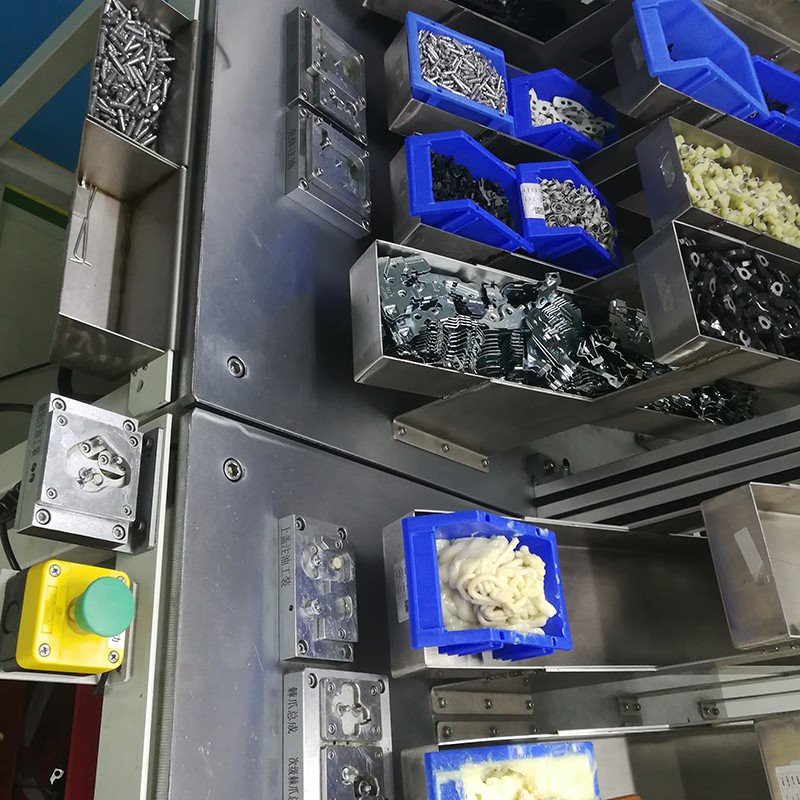

For example, if a key component for a piece of equipment is not available on time, the entire production line may have to be shut down. This can lead to missed deadlines and lost business opportunities.
Conclusion
As you can see, there are many challenges in using automotive industry production equipment. But don't let these challenges scare you off. With the right approach and the right equipment, these challenges can be overcome.
If you're in the automotive industry and are looking for high - quality production equipment, we're here to help. We offer a wide range of equipment, including Automotive Door Lock Riveting Equipment, Automotive Turbocharger Actuator Assembly Equipment, and Automotive Cooling Water Pipe Assembly Line.
We understand the challenges you face and are committed to providing you with the best solutions. If you're interested in learning more about our products or have any questions, feel free to reach out to us for a procurement discussion.
References
- Industry reports on automotive production equipment
- Case studies of automotive manufacturers dealing with production equipment challenges