

What are the best practices for an automotive turbocharger assembly line?
Hey there! As a supplier of automotive turbocharger assembly lines, I've seen my fair share of what works and what doesn't in this industry. In this blog, I'm gonna share some of the best practices for an automotive turbocharger assembly line that I've learned over the years.
1. Quality Control from the Get - Go
Quality control is the name of the game when it comes to turbocharger assembly. We start by sourcing high - quality components. You can't build a great turbocharger with sub - par parts. Every single part that comes into our assembly line is inspected thoroughly. We use advanced measurement tools to check dimensions, material properties, and surface finishes.
For example, we have a team of quality inspectors who use coordinate measuring machines (CMMs) to ensure that the turbine and compressor wheels have the exact dimensions required. This early - stage quality control helps us avoid problems down the line. If a part doesn't meet our standards, it's sent back to the supplier right away.
2. Ergonomic Workstations
Our assembly line is designed with the workers in mind. We've set up ergonomic workstations to reduce fatigue and increase productivity. The height of the workbenches is adjustable, so each worker can set it to a comfortable level. We also provide anti - fatigue mats to stand on, which helps reduce the stress on their legs and backs.
Tools are placed within easy reach, and we use tool - balancers to keep the tools suspended at the right height. This way, workers don't have to bend or stretch too much to pick up a tool. By making the work environment more comfortable, we've seen a significant improvement in the quality of the assembly work and a decrease in the number of workplace injuries.
3. Standardized Assembly Processes
Standardization is key to ensuring consistency in turbocharger assembly. We've developed detailed assembly procedures for each step of the process. These procedures are written in a simple and easy - to - understand way, and they're posted at each workstation.
Workers are trained to follow these procedures precisely. For instance, when assembling the bearings, there's a specific torque value that needs to be applied. We use torque wrenches that are calibrated regularly to ensure that the correct torque is applied every time. This standardized approach helps us produce turbochargers that meet the same high - quality standards every single time.
4. Lean Manufacturing Principles
We've adopted lean manufacturing principles in our assembly line. This means eliminating waste in all forms. We've optimized our inventory management to reduce the amount of excess inventory. Instead of having large stockpiles of parts sitting around, we use a just - in - time (JIT) system. This system ensures that parts are delivered to the assembly line exactly when they're needed.
We also look for ways to reduce non - value - added activities. For example, we've streamlined the material handling process. Instead of having multiple people moving parts around, we've set up a conveyor system that moves parts directly to the workstations. This not only saves time but also reduces the risk of damage to the parts.
5. Automation and Robotics
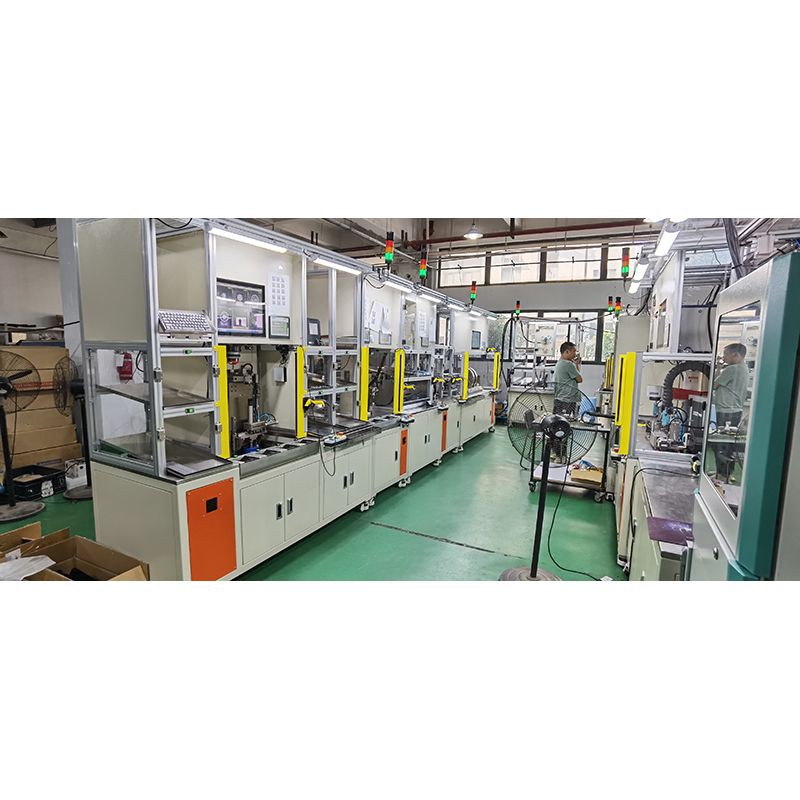
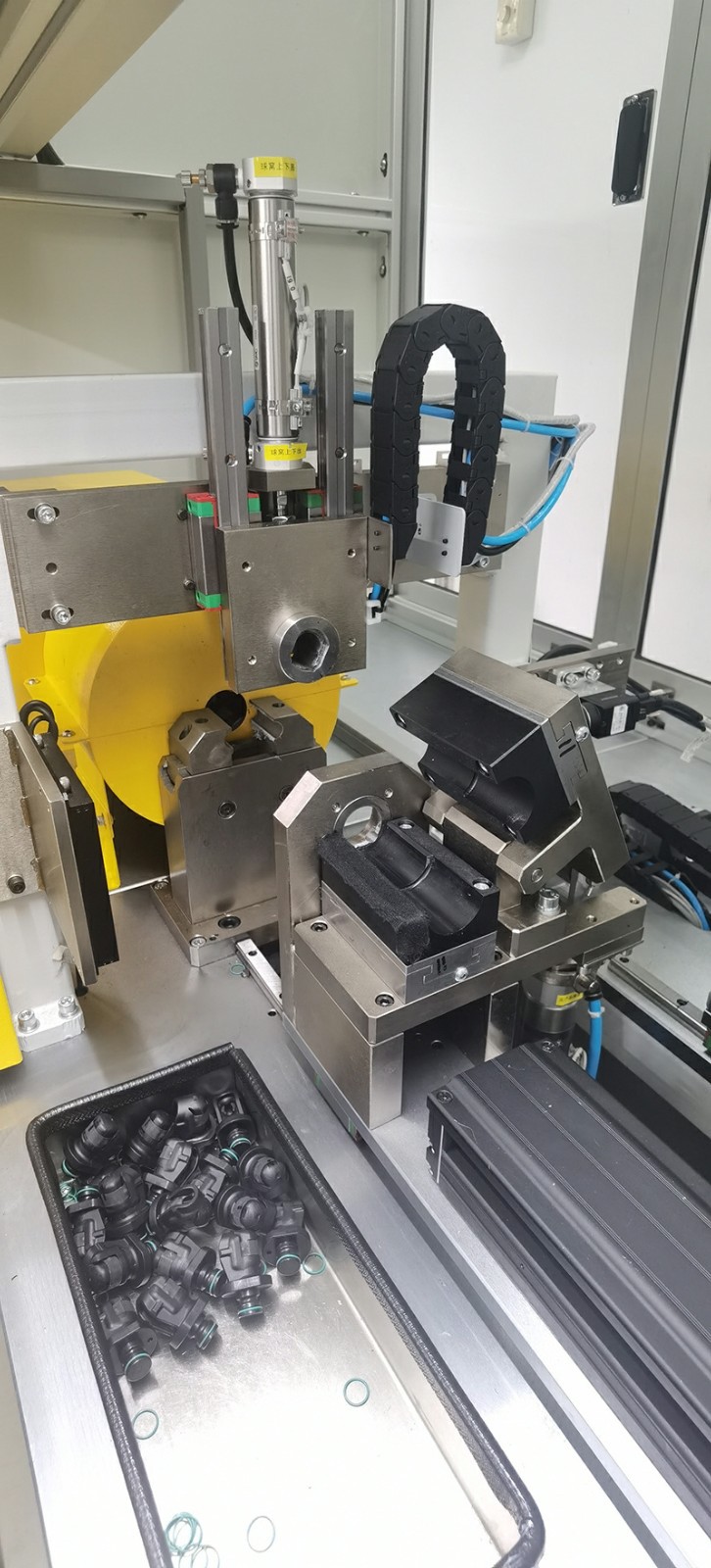
Automation plays a big role in our assembly line. We use robots for tasks that are repetitive, dangerous, or require a high level of precision. For example, robots are used to weld the turbine housing to the compressor housing. They can perform the welds with a high degree of accuracy and consistency, which is difficult to achieve manually.
We also have automated testing stations. These stations can perform a variety of tests on the assembled turbochargers, such as pressure tests and rotational balance tests. The data from these tests is collected and analyzed in real - time, allowing us to identify any potential issues immediately.
6. Continuous Training and Development
Our workers are our most valuable asset, and we invest in their training and development. We offer regular training sessions to keep them up - to - date with the latest assembly techniques and quality control methods. We also encourage them to share their ideas for improving the assembly line.
For example, one of our workers came up with a new way to assemble the compressor wheel, which reduced the assembly time by 15%. We rewarded this worker and implemented the new method across the assembly line. By fostering a culture of continuous learning and improvement, we're able to stay ahead of the competition.
7. Integration of Advanced Technologies
In today's automotive industry, advanced technologies are essential. We've integrated technologies like the Internet of Things (IoT) into our assembly line. IoT sensors are placed on the equipment and the turbochargers themselves. These sensors collect data on things like temperature, vibration, and pressure.
The data is then sent to a central system, where it can be analyzed. This allows us to predict when maintenance is needed on the equipment and to detect any potential issues with the turbochargers before they become major problems. For example, if a sensor detects an abnormal vibration in a turbocharger during assembly, we can stop the process and investigate the issue right away.
8. Supplier Collaboration
We work closely with our suppliers to ensure a smooth flow of high - quality parts. We have regular meetings with them to discuss quality, delivery schedules, and any potential issues. We also provide them with feedback on the parts they supply.
For example, if we notice that a particular batch of compressor wheels has a slightly different surface finish than usual, we'll let the supplier know. This collaboration helps us build strong relationships with our suppliers and ensures that we always have the parts we need to keep our assembly line running smoothly.
9. Testing and Validation
Before a turbocharger leaves our assembly line, it goes through a rigorous testing and validation process. We have a dedicated testing area where we perform a variety of tests. In addition to the pressure and rotational balance tests I mentioned earlier, we also test the turbocharger's performance under different operating conditions.
We simulate real - world driving conditions to ensure that the turbocharger can handle the demands of the road. If a turbocharger fails any of the tests, it's sent back to the assembly line for rework. This strict testing process helps us ensure that only the highest - quality turbochargers are delivered to our customers.
10. Equipment Maintenance
Regular equipment maintenance is crucial for the smooth operation of our assembly line. We have a maintenance schedule for all of our equipment, including robots, conveyor systems, and testing machines. Our maintenance team performs preventive maintenance tasks, such as lubrication, cleaning, and part replacement, on a regular basis.
We also use condition - based maintenance techniques. For example, we have sensors on our equipment that can detect when a part is starting to wear out. When the sensor detects a problem, the maintenance team can replace the part before it fails, which helps prevent downtime on the assembly line.
If you're in the market for an automotive turbocharger assembly line, or if you're looking to upgrade your existing one, we'd love to talk to you. We've got the experience and the know - how to provide you with a top - notch assembly line that meets your specific needs. And if you're also interested in other automotive production equipment, check out these links: Automotive Strut Screw Grooving Machine, Automotive Electric Strut Assembly Line, and Automotive Door Lock Performance Testing Equipment.
References
- Smith, J. (2020). Automotive Manufacturing Best Practices. Publisher: AutoTech Press
- Brown, A. (2019). Lean Manufacturing in the Automotive Industry. Publisher: LeanPro Publications
- Johnson, M. (2021). Quality Control in Turbocharger Production. Publisher: TurboTech Journal