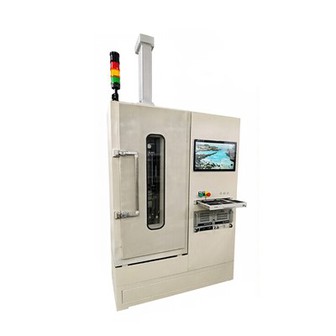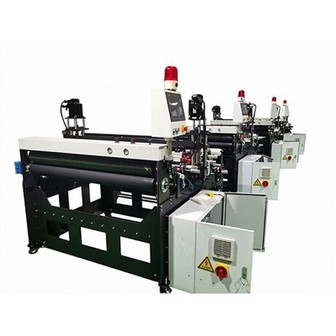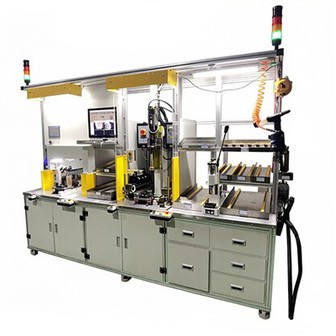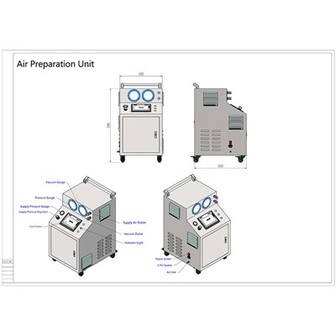
The Working Principle Of An Automotive Cooling Water Pipe Assembly Line
An "Automotive Cooling Water Line Assembly Line" typically refers to a production line or process flow utilized during the manufacturing or maintenance of automobiles to assemble, connect, and test the cooling system's piping. Its primary objective is to ensure the leak-tightness, precise routing, and overall system reliability of the coolant lines.
The automotive cooling water line assembly process primarily involves the selection of piping materials and the associated installation techniques. Currently, the predominant materials in use include Ethylene Propylene Diene Monomer (EPDM) rubber, Thermoplastic Vulcanizate (TPV), and Polyamide (PA-commonly known as nylon). Among these, nylon tubing is gaining widespread adoption by brands such as BYD and Changan; thanks to its low density and thin wall thickness (typically 1.25–1.5 mm), it offers a weight reduction of approximately 60% compared to other materials of equal length, presenting significant advantages in vehicle lightweighting.
During assembly, nylon tubing typically utilizes quick-connect fittings-a method characterized by high efficiency and ease of integration into automated systems-whereas rubber tubing commonly employs steel band clamps.
Core Operating Principles
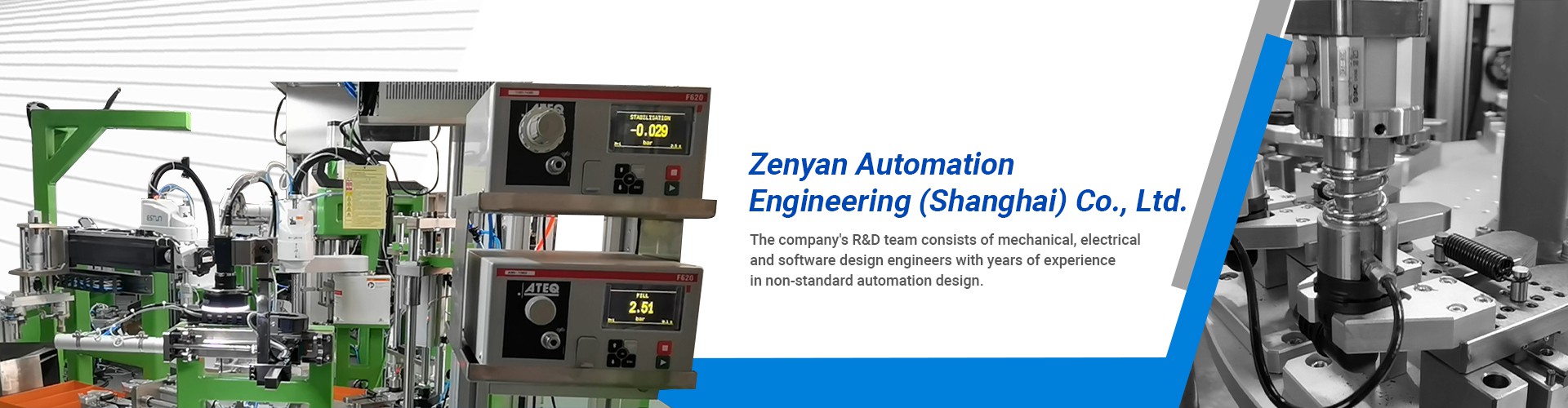
Automated/Semi-Automated Assembly: Utilizing robotic arms, positioning fixtures, and torque-controlled tools, water lines are precisely connected between key components-such as the water pump, radiator, thermostat housing, and expansion tank-following the designated design path to prevent misassembly or omissions.
Leak Detection: Upon completion of assembly, airtightness or hydraulic pressure tests are conducted to simulate the cooling system's operational pressure (typically 0.8–1.5 bar) and detect the presence of any leakage points.
Routing Verification: Visual recognition systems or sensors are employed to confirm that the routing of the lines strictly adheres to engineering blueprints, thereby preventing kinking, physical interference, or misalignment.
Compatibility Matching: Particularly for different vehicle models (e.g., Chery A3, Tiggo 3), it is essential to precisely match the diameter, angle, pressure rating, and thermal expansion coefficient of components-such as three-way connectors-to ensure leak-free performance over the long term, even under conditions of repeated high-temperature thermal cycling.
Integrated Testing: Certain high-end production lines incorporate linkages with the ECU (Electronic Control Unit) to simulate the operational status of the coolant circulation pump (e.g., an auxiliary pump like the V51) following engine start-up or shut-down, thereby validating the logic of the electronic control system's coordination.