How Does A Horizontal Automatic Air-inflating Machine For Air-column Packaging Bags Achieve Efficient Operation?
Air column bags are a type of protective packaging product that utilizes air column film as its primary material. By inflating the internal columns to form independent air cushions, they provide robust protection for fragile or precision items. Their production relies on specialized machinery that processes air column film into various formats-such as U-shaped bags, L-shaped bags, or valve-equipped rolls-and subsequently employs a heat-sealing process to create a continuous air-column structure. Such equipment must meet rigorous requirements for high-speed production, multi-specification adaptability, and stable operation, making it a critical asset within the field of logistics packaging.
Technical Principles and Core Components
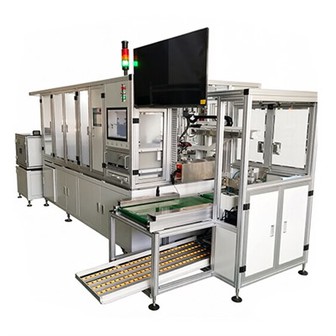
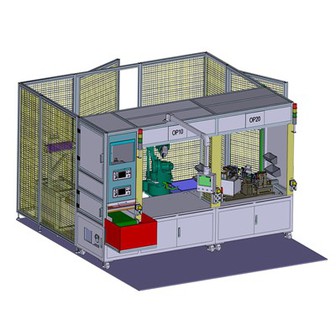
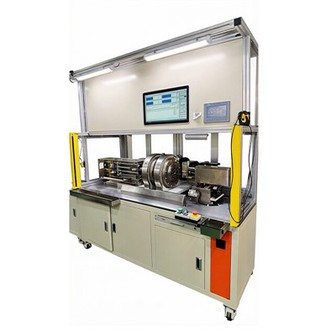
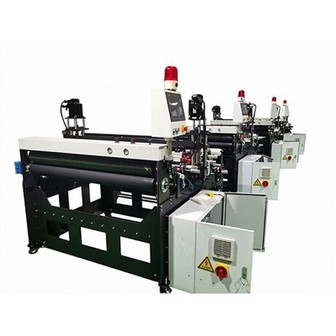
The core function of the horizontal automatic inflator for air column packaging bags is to transform air column film into a structured air-column format using heat-sealing technology. The device primarily consists of a feeding system, a heat-sealing module, a pneumatic control system, and a machine frame. The feeding system is responsible for the precise conveyance of the film roll; the heat-sealing module utilizes heating elements and pressure mechanisms to seal the air columns, achieving sealing speeds of up to 20 meters per minute; the pneumatic system regulates air pressure to control the inflation volume of the columns, ensuring consistent fullness across the batch; finally, the metal machine frame provides structural stability, with a design weight of 47 kg that strikes an optimal balance between portability and vibration resistance.
Multi-Specification Adaptability and Operational Flexibility
This equipment supports three distinct packaging formats-U-shaped bags, L-shaped bags, and valve-equipped rolls-and is compatible with various material specifications, including standard air column rolls, gourd-shaped rolls, and pre-formed air column bags. The user interface offers dual-parameter control for both speed and air pressure: production speed can be adjusted according to order volume, while the air pressure setting directly influences the inflation volume and cushioning performance of the air columns. For instance, transporting glass products may require increased air pressure to enhance protective capabilities, whereas transporting electronic products allows for a moderate reduction in air pressure to optimize material costs. With a noise level of ≤60 dB, the device complies with industrial workplace standards and is designed for continuous operation without the need for frequent maintenance-related downtime.
Durability and Maintenance Protocol
The device features a metal chassis construction, optimized structurally to minimize the risk of deformation during prolonged periods of operation. The heat-sealing module is equipped with an automatic cleaning function to prevent molten residue from compromising seal integrity. Routine maintenance primarily involves periodic inspections, including cleaning the film feeding tracks, calibrating the heat-sealing temperature, and verifying the airtightness of the pneumatic tubing connections. Compared to traditional machinery, its modular design reduces the likelihood of single points of failure-for instance, the heat-sealing elements can be replaced independently without requiring a complete system shutdown for maintenance-thereby extending the equipment's overall service life.
Application Scenarios and Technical Advantages
In the field of logistics packaging, this equipment can rapidly meet the demands of high-volume orders during major e-commerce promotional events; its high-speed production mode (20 meters per minute) boosts efficiency by over 30% compared to traditional machinery. For the packaging of irregularly shaped items, customized cushioning solutions can be achieved by adjusting the specifications and configurations of the air-column bags. For example, when transporting artwork, an L-shaped air-column structure can be designed to precisely contour to the object's profile, thereby minimizing material waste while enhancing the precision of protective coverage. Furthermore, the air-column film materials compatible with this equipment comply with environmental standards, and their recyclability aligns with the principles of sustainable development.