Routine Maintenance Of Automotive Fuel Pump Plungers
The daily maintenance of oil pump plungers requires attention to various aspects.
For plunger pumps utilizing a charge pump for fuel supply, it is essential to perform inspections once or twice daily after 3,000 hours of operation, paying particular attention to the operating sound of the hydraulic pump to ensure it is normal. If a decrease in hydraulic cylinder speed or a sluggishness in vehicle performance is observed, the charge pump must be disassembled for inspection to check for scratches on the impeller edges or excessive clearance within the internal gear pump.
For self-priming plunger pumps, the oil level within the hydraulic tank must never fall below the lower limit indicated on the oil gauge; ensuring an adequate supply of hydraulic fluid is critical. Furthermore, the cleaner the hydraulic fluid, the longer the lifespan of the hydraulic pump; therefore, maintaining the cleanliness of the hydraulic fluid should be a top priority.
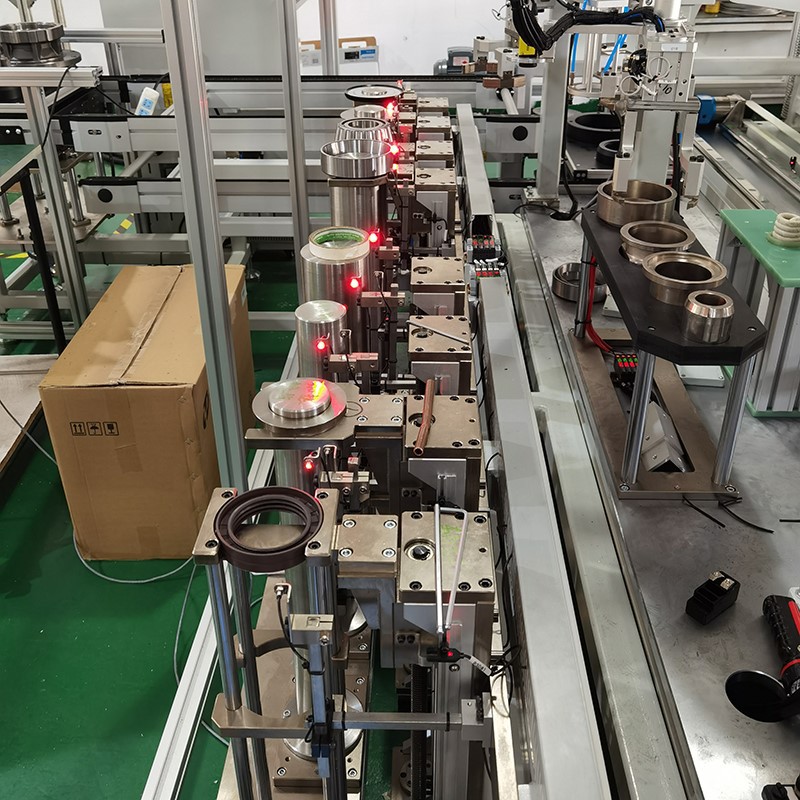
When replacing bearings, pay close attention to the alphanumeric codes and model specifications of the original bearings. Most plunger pumps utilize high-load-capacity bearings; ideally, one should purchase replacement parts directly from the original manufacturer with the exact original specifications. If opting for a different brand, consult with a bearing expert to cross-reference technical charts; this ensures that the replacement bearing meets the required precision grade and load capacity.
During repairs, whenever parts need to be replaced, prioritize using components manufactured by the original equipment manufacturer (OEM). Although OEM parts may sometimes be slightly more expensive than aftermarket imitations, their quality and stability are indisputable.
Daily maintenance also entails properly tightening the packing gland. If issues arise with the plunger, it should be replaced or repaired as necessary; pressure levels should be adjusted if inappropriate; trapped air must be purged promptly; clogged filters should be cleaned; and if the fluid level drops, it must be replenished.
Additionally, immediate emergency shutdown of the pump is mandatory in the following situations: if severe abnormal noises are heard within the pump; if vibrations suddenly become violent; if bearing temperatures spike beyond prescribed limits; if the pump's flow rate drops significantly; if the electrical current exceeds the rated value and continues to rise; or if any other safety-compromising conditions arise.
For Parker plunger pumps, particular care must be taken to prevent water ingress, as water can cause corrosion within the oil pump.
Performing these daily maintenance tasks diligently will keep the oil pump plunger in optimal condition, extend its service life, ensure the reliable operation of the vehicle, and contribute to a smoother, more convenient driving experience.