

What are the differences between manual and automated automotive electric strut assembly lines?
When it comes to the automotive industry, the assembly of electric struts is a crucial process. As a supplier of Automotive Electric Strut Assembly Lines, I've seen firsthand the differences between manual and automated assembly lines. In this blog, I'll break down these differences to help you understand which option might be best for your production needs.
Manual Automotive Electric Strut Assembly Lines
Let's start with manual assembly lines. These are the traditional way of putting together automotive electric struts. In a manual setup, workers are at the heart of the process. They use their hands and basic tools to pick up parts, align them, and fasten them together.
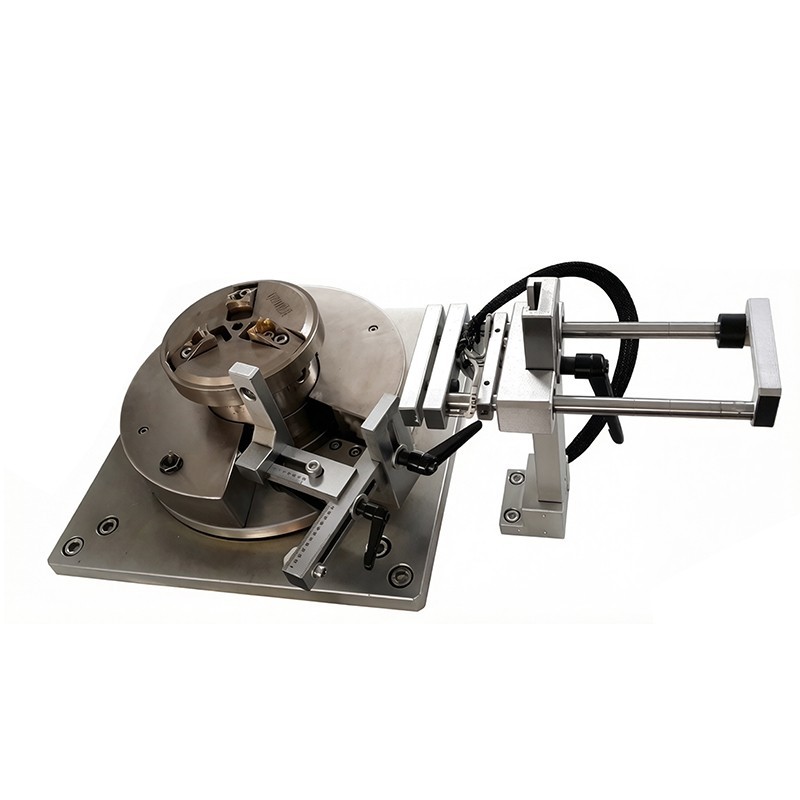
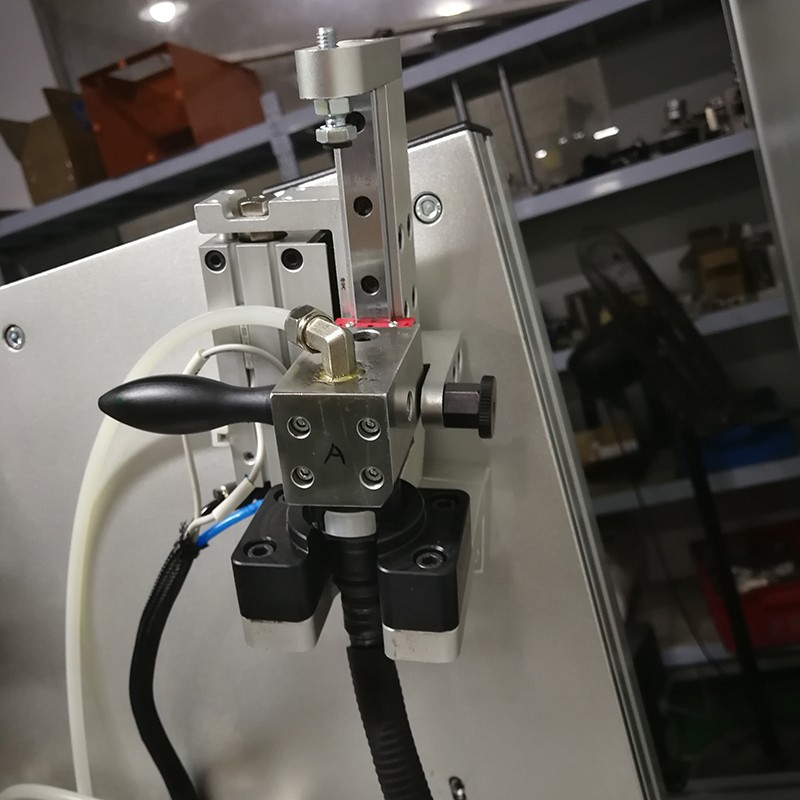
One of the biggest advantages of a manual assembly line is its flexibility. Workers can easily adapt to changes in the production process. If there's a new design for an electric strut or a minor adjustment needs to be made, they can quickly modify their actions. This is great for small - batch production or when you're still in the prototype phase. You can test different designs without having to invest in expensive automated equipment.
Another benefit is the relatively low initial cost. Setting up a manual assembly line doesn't require a huge capital investment. You mainly need a workspace, basic tools, and trained workers. This makes it an attractive option for small and medium - sized businesses that are just starting out or have limited budgets.
However, manual assembly lines also have their drawbacks. The first is the issue of consistency. Human error is inevitable, and different workers may assemble the struts slightly differently. This can lead to variations in the quality of the final product. For example, the torque applied when tightening bolts might vary from one worker to another, which could affect the performance and safety of the strut.
Productivity is also a concern. Manual assembly is generally slower compared to automated processes. Workers need breaks, and their speed can be affected by fatigue. In a high - volume production environment, this can lead to longer lead times and lower overall output.
Automated Automotive Electric Strut Assembly Lines
Now, let's talk about automated assembly lines. These use advanced machinery and robotics to carry out the assembly process. The machines are programmed to perform specific tasks with high precision.
The most significant advantage of an automated assembly line is the high level of consistency. Once the machines are set up correctly, they will perform the same tasks over and over again with very little variation. This ensures that every electric strut produced meets the same high - quality standards. For example, the torque applied by automated screwdrivers can be precisely controlled, resulting in a more reliable product.
Automated lines are also much more productive. They can work 24/7 without breaks, fatigue, or human error. This allows for a much higher volume of production in a shorter period of time. In a large - scale manufacturing operation, this can significantly reduce production costs per unit.
Automation also offers better data collection and analysis. The machines can record data about each step of the assembly process, such as the time taken for each operation, the force applied during assembly, and the quality of the parts used. This data can be used to optimize the production process, identify potential issues, and improve overall efficiency.
But automated assembly lines come with their own set of challenges. The initial investment is substantial. You need to purchase expensive machinery, install it, and program it to work correctly. This can be a significant barrier for small businesses.
There's also a lack of flexibility. Once the automated line is set up, it's difficult and costly to make changes. If there's a new design or a modification in the production process, you may need to reprogram the machines or even replace some of the equipment.
Additional Equipment and Their Role
In both manual and automated assembly lines, additional equipment can play a vital role. For example, Automotive Tubing Sealing Test Equipment is used to ensure that the tubing in the electric struts is properly sealed. This is crucial for preventing leaks and maintaining the performance of the strut.
Automotive Turbocharger Compressor Housing Assembly Equipment is another important piece of equipment. It helps in the precise assembly of the turbocharger compressor housing, which is an integral part of many automotive electric struts.
And let's not forget about the Electric Strut Greasing Machine. This machine ensures that the electric struts are properly lubricated, which reduces friction and wear, and extends the lifespan of the strut.
Which One to Choose?
The choice between a manual and an automated automotive electric strut assembly line depends on several factors. If you're a small business with a limited budget and need to produce small batches or prototypes, a manual assembly line might be the way to go. It offers flexibility and a lower initial investment.
On the other hand, if you're a large - scale manufacturer with high - volume production requirements and a need for consistent quality, an automated assembly line is likely the better option. Despite the high initial cost, the long - term benefits in terms of productivity and quality can outweigh the investment.
Contact for Purchase and Discussion
If you're interested in learning more about our Automotive Electric Strut Assembly Lines or need help deciding between a manual and an automated setup, don't hesitate to reach out. We're here to assist you in making the right choice for your production needs.
References
- Automotive Industry Handbook: Production and Assembly Processes
- Research Papers on Automotive Manufacturing Technology