

What are the safety features of an automotive electric strut assembly line?
Safety is a paramount concern in the automotive industry, especially in the context of assembly lines. As a supplier of Automotive Electric Strut Assembly Lines, we understand the critical role that safety features play in ensuring the well - being of workers and the quality of the final product. In this blog, we will explore the various safety features incorporated into our automotive electric strut assembly lines.
1. Machine Guarding
One of the fundamental safety features of our assembly lines is machine guarding. We install physical barriers around moving parts of the machinery. These guards are designed to prevent workers from coming into contact with dangerous components such as conveyor belts, rotating shafts, and robotic arms. The guards are made of high - strength materials like steel or polycarbonate, which can withstand impacts and resist wear and tear.
Machine guarding not only protects workers from physical harm but also helps to prevent foreign objects from entering the machinery, which could cause malfunctions or damage to the equipment. For example, in the process of assembling electric struts, the moving parts of the assembly machinery can pose a significant risk if not properly guarded. Our guards are designed to be easily removable for maintenance purposes while still providing a high level of protection during normal operation.
2. Emergency Stop Buttons
Emergency stop buttons are strategically placed throughout the assembly line. These buttons are easily accessible to workers at all times. In case of an emergency, such as a sudden malfunction or a safety hazard, a worker can quickly press the emergency stop button, which will immediately halt the operation of the entire assembly line.
The emergency stop buttons are connected to a central control system. Once activated, they send a signal to all the motors and other power - consuming components to stop. This feature is crucial in preventing serious accidents and minimizing damage to the equipment. For instance, if a worker's clothing gets caught in a moving part, they can quickly press the emergency stop button to stop the machinery and avoid further injury.
3. Safety Interlocks
Safety interlocks are another important safety feature in our assembly lines. These interlocks are designed to prevent the operation of certain machinery or processes unless specific safety conditions are met. For example, a safety interlock may be installed on a door that provides access to a dangerous area of the assembly line. The machinery will not start unless the door is closed and properly locked.
Safety interlocks also play a role in preventing unauthorized access to the assembly line. Only authorized personnel with the appropriate access codes or keys can open certain doors or start specific processes. This helps to ensure that only trained and qualified workers are operating the equipment, reducing the risk of accidents caused by improper use.
4. Sensors and Detection Systems
Our assembly lines are equipped with a variety of sensors and detection systems. These sensors are used to monitor the operation of the machinery and detect any potential safety hazards. For example, proximity sensors can detect the presence of workers or objects in the vicinity of moving parts. If a worker gets too close to a dangerous area, the sensor will trigger an alarm and may even stop the machinery.
In addition, vision sensors are used to inspect the quality of the assembled electric struts. These sensors can detect defects such as misaligned components or missing parts. By detecting these issues early in the assembly process, we can prevent defective products from being produced and also reduce the risk of accidents caused by faulty components.
5. Training and Safety Procedures
While the physical safety features of the assembly line are essential, proper training and safety procedures are equally important. We provide comprehensive training to all workers who operate our assembly lines. This training includes instruction on how to use the equipment safely, how to recognize potential safety hazards, and what to do in case of an emergency.
We also have strict safety procedures in place. For example, workers are required to wear appropriate personal protective equipment (PPE) such as safety glasses, gloves, and hard hats. Regular safety inspections are conducted to ensure that all safety features are functioning properly and that workers are following the safety procedures.
6. Fire and Hazardous Material Safety
In an automotive electric strut assembly line, there may be the presence of flammable materials and hazardous substances. To address this, we have implemented fire prevention and safety measures. Our assembly lines are equipped with fire suppression systems such as sprinklers and fire extinguishers. These systems are designed to quickly extinguish fires in case of an emergency.
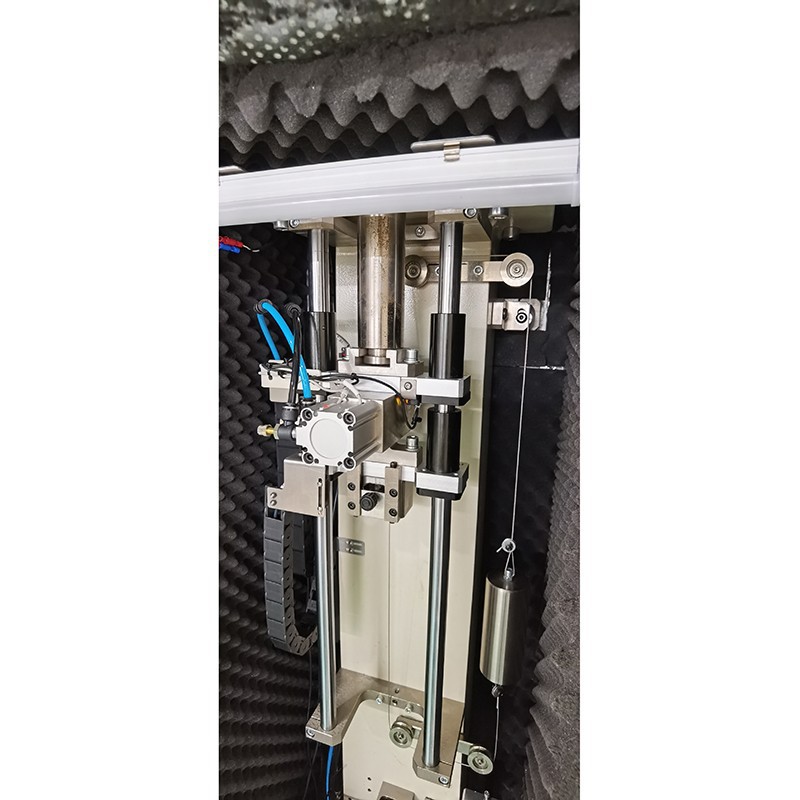
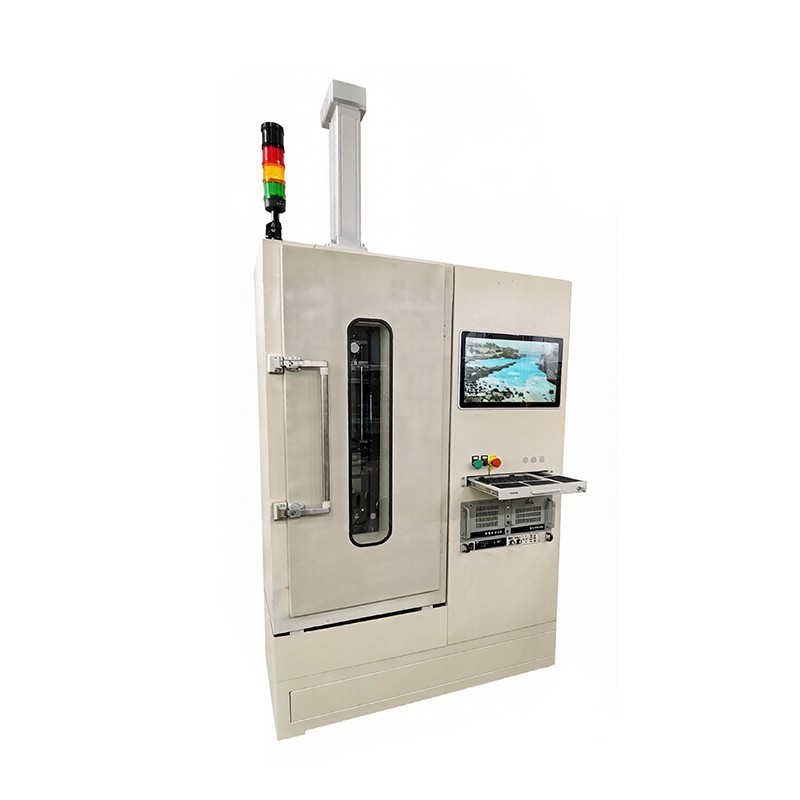
We also have proper storage and handling procedures for hazardous materials. These materials are stored in designated areas that are well - ventilated and away from sources of ignition. Workers are trained on how to handle these materials safely to prevent spills and other accidents.
7. Ergonomic Design
Ergonomic design is an important aspect of safety in our assembly lines. We design our workstations and equipment to be comfortable and easy to use for workers. This includes adjustable workbenches, proper lighting, and ergonomic tools. By reducing the physical strain on workers, we can prevent injuries such as back pain, repetitive strain injuries, and fatigue.
For example, the height of the workbenches can be adjusted to suit the individual needs of the workers. This ensures that they can work in a comfortable position, reducing the risk of musculoskeletal disorders. In addition, the layout of the assembly line is designed to minimize the need for workers to reach or bend awkwardly, which can also contribute to a safer working environment.
8. Quality Assurance and Safety
Quality assurance is closely related to safety in our assembly lines. By ensuring the quality of the assembled electric struts, we can also enhance safety. Our assembly lines are equipped with advanced testing equipment such as the Electric Strut Assembly Performance Tester. This tester can accurately measure the performance of the electric struts, ensuring that they meet the required safety standards.
In addition, we use high - quality components and materials in the assembly process. This helps to prevent failures and malfunctions that could pose a safety risk. Our quality control processes also include inspections at various stages of the assembly line to detect and correct any potential issues before the final product is produced.
9. Integration with Other Systems
Our automotive electric strut assembly lines can be integrated with other systems in the automotive production process. For example, they can be connected to the Automotive Hose Connector Automatic Assembly Line or the Automotive Turbocharger Compressor Housing Assembly Equipment. This integration allows for a more efficient and seamless production process.
However, when integrating these systems, we also ensure that the safety features are compatible and work together effectively. For example, the emergency stop systems of all the connected systems should be able to communicate with each other to ensure a coordinated response in case of an emergency.
Conclusion
As a supplier of Automotive Electric Strut Assembly Lines, we are committed to providing the highest level of safety in our products. The safety features described above are just some of the ways we ensure the well - being of workers and the quality of the final product. We continuously invest in research and development to improve our safety features and stay ahead of the latest safety standards in the automotive industry.
If you are interested in our Automotive Electric Strut Assembly Lines or have any questions about our safety features, please feel free to contact us for a procurement discussion. We look forward to working with you to meet your automotive production needs.
References
- Automotive Industry Safety Standards Handbook
- Best Practices in Automotive Assembly Line Safety
- Research Papers on Safety in Automotive Manufacturing Processes