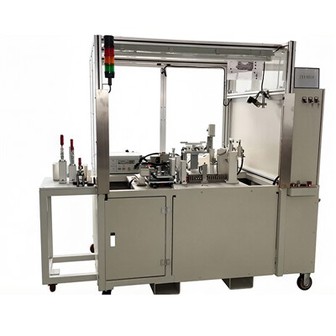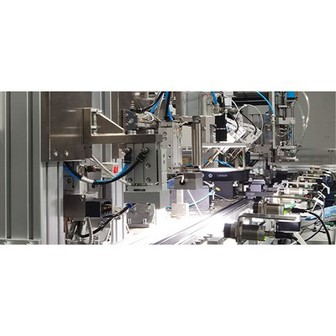

Pipe Fitting Automatic O-Ring Installation: Unveiled
What is this sealing ring called?
The correct name for the annular sealing component that connects two pipes is an "O-ring," so named because its cross-section resembles the letter "O." Much like a slice of cheese in a sandwich, it is sandwiched within the pipe joint; through elastic deformation, it fills any gaps-thereby preventing fluid leakage while simultaneously dampening pipe vibrations. Interestingly, despite its simple appearance, its invention once catalyzed a monumental leap forward in spacecraft sealing technology.
Choosing the Right Material is Crucial
Different scenarios require O-rings made of different materials:
General Conditions: Nitrile rubber offers excellent cost-effectiveness and is suitable for water and oil-based media.
High-Temperature Environments: Fluorocarbon rubber can withstand temperatures exceeding 200°C.
Chemical Corrosion: Perfluoroether rubber offers resistance against strong acids and bases.
Food & Medical Applications: Silicone material is safe, non-toxic, and odorless.
Note: When selecting an O-ring, you must simultaneously consider three key dimensions: the type of medium, the temperature range, and the pressure rating.
Secrets to Long-Lasting Seals
These practical tips can significantly extend the lifespan of an O-ring:
Apply silicone grease before installation to minimize friction-induced damage.
Avoid excessive stretching; limit deformation to no more than 5%.
Periodically inspect for cracks or signs of hardening.
Store away from direct sunlight and ozone-rich environments.
Use specialized tools during removal to avoid scratching the surface.
Just as leather shoes require polish for proper upkeep, O-rings require regular maintenance to ensure they deliver optimal sealing performance.