Air Column Bag Packaging Machine Manufacturers: Unveiling the Makers of Core Equipment in the Cushioning Packaging Sector
In today's era of rapidly advancing e-commerce logistics, the issue of product damage during transit remains a central concern for both merchants and consumers. As a pivotal piece of equipment in the field of protective packaging, air column bag packaging machines provide customized protection for fragile items-such as electronics, glassware, and precision instruments-by rapidly inflating and molding plastic film into a series of independent air columns. This article analyzes how manufacturers of air column bag packaging machines are driving innovation within the packaging industry, examining this phenomenon through three key dimensions: technical principles, equipment classification, and industry impact.
Technical Principles: The Precise Transformation from Film to Air Columns
The core function of an air column bag packaging machine lies in transforming rolled plastic film into a three-dimensional cushioning structure through a multi-stage process. Manufacturers must overcome three major technical challenges: First, material compatibility-the machinery must adapt to the specific tensile properties of various film materials, including PE, PA, and PET. Second, inflation precision control-intelligent sensors are employed to monitor air pressure in real-time, ensuring that the inflation volume of each individual air column deviates by no more than ±0.5%. Finally, sealing reliability-utilizing heat-sealing or ultrasonic welding technologies, the machines ensure that the seams of the air columns can withstand a tensile force exceeding 200N without rupturing. These technical parameters directly determine the cushioning performance and service life of the resulting packaging.
Equipment Classification: Meeting Diverse Production Needs
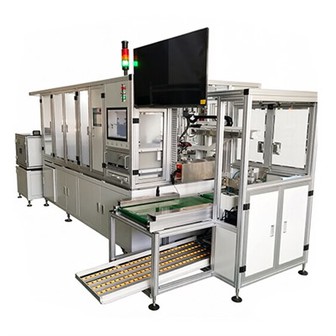
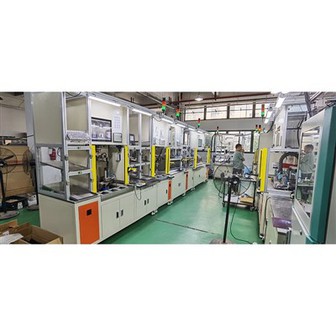
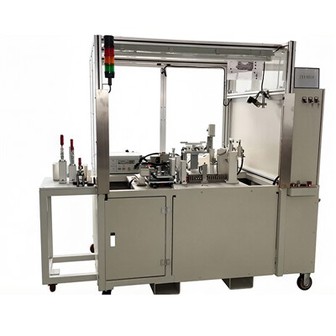
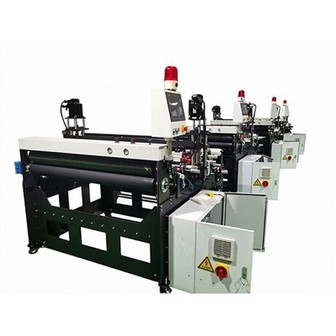
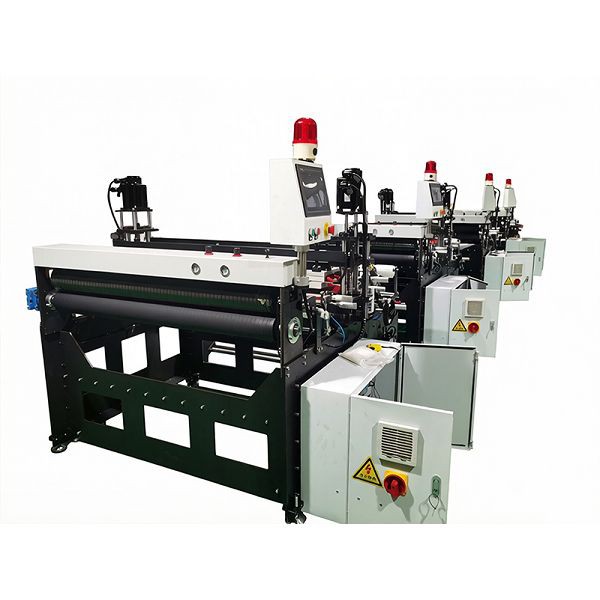
Based on their degree of automation and intended application scenarios, air column bag packaging machines can be broadly categorized into three types: 1. Semi-automatic models: Suitable for small-batch production, these machines require an operator to manually load the film and initiate the inflation process; a single unit typically yields a daily output of approximately 2,000 to 5,000 air column bags. 2. Fully automatic production lines: These integrated systems handle the entire workflow-from film unwinding and inflation molding to cutting and sealing-and can be paired with robotic arms to enable unmanned operation, achieving a daily output of 50,000 to 100,000 bags. 3. Customized models: Developed specifically for products with unique shapes-such as curved air column molds designed for wine bottles, or films treated with anti-static coatings for electronic devices-these machines allow manufacturers to provide modular solutions tailored to the specific characteristics of each client's products.
Industry Impact: Reshaping the Packaging Ecosystem
The rise of manufacturers specializing in air column bag packaging machines is fundamentally reshaping the landscape of the traditional packaging industry. From an environmental perspective, air column bags utilize biodegradable materials, generating 80% less solid waste compared to foam plastics. In terms of cost, automated equipment has driven the production cost per bag down to between 0.05 and 0.2 RMB-a reduction of 30% to 50% compared to traditional packaging. Regarding efficiency, the process has been streamlined from three minutes per item using manual methods to just eight seconds per item with machine packaging, thereby significantly accelerating outbound logistics. These advantages have led to the rapid adoption of air column bags across various sectors, including 3C electronics, pharmaceutical cold chains, and art transportation.
Spanning the spectrum from technological breakthroughs to innovative applications, manufacturers of air column packaging machinery are leveraging their precision manufacturing capabilities to drive the packaging industry's transformation toward greater intelligence and sustainability. For businesses seeking to upgrade their packaging solutions, the selection of equipment should prioritize three key criteria: inflation uniformity, seal durability, and operational ease. Looking ahead, with the integration of IoT technology, smart packaging machines featuring data traceability capabilities are poised to become the next major trend in the industry. A firm grasp of these core concepts will empower you to make more informed and strategic decisions during the procurement process.