

What is the influence of temperature on the performance of automotive door lock riveting equipment?
Hey there! As a supplier of Automotive Door Lock Riveting Equipment, I've seen firsthand how temperature can have a real impact on the performance of our gear. Let's dig into this topic and see what's what.
First off, let's talk about the basic components of automotive door lock riveting equipment. This stuff is made up of all kinds of parts like motors, sensors, and the riveting mechanisms themselves. Each of these components has its own optimal operating temperature range. When the temperature goes outside of that range, things can start to go haywire.
Let's start with the cold. When it's cold outside, the materials that make up the equipment can become more brittle. Metals, for example, lose some of their flexibility in low temperatures. This means that the riveting process can be affected. The rivets might not be driven in as smoothly as they should be, and there's a higher risk of them cracking or breaking. The motors in the equipment also have a harder time starting up in the cold. The lubricants inside the motors thicken, which makes it more difficult for the moving parts to turn. This can lead to slower operation and even potential damage to the motor over time.
On the flip side, high temperatures can be just as problematic. When it's hot, the components can overheat. The sensors, which are crucial for ensuring the accuracy of the riveting process, can malfunction. They might give false readings, which can lead to incorrect riveting. The motors can also overheat, which can cause them to burn out. The heat can also cause the materials to expand. This can lead to misalignments in the equipment, which can affect the quality of the riveting.
Another thing to consider is the impact of temperature on the rivets themselves. Rivets are typically made of metal, and metal expands and contracts with temperature changes. In cold temperatures, the rivets can shrink slightly, which can affect their grip. In hot temperatures, they can expand, which can also cause problems. If the rivets expand too much, they might not fit properly into the holes, or they might cause the surrounding material to warp.
Now, let's talk about how we can mitigate these temperature-related issues. One way is to use temperature control systems. These systems can help keep the equipment at a consistent temperature, regardless of the outside conditions. For example, we can use heaters in cold environments to warm up the equipment and prevent the components from becoming too brittle. In hot environments, we can use cooling systems to keep the equipment from overheating.
Another important factor is regular maintenance. By regularly checking and servicing the equipment, we can catch any temperature-related issues early on. We can replace worn-out parts, clean the sensors, and make sure that the lubricants are at the right consistency. This can help ensure that the equipment performs at its best, no matter what the temperature is.
As a supplier, we're always looking for ways to improve the performance of our automotive door lock riveting equipment. We're constantly researching and developing new technologies to make our equipment more resistant to temperature changes. For example, we're looking into using materials that are more flexible in cold temperatures and more heat-resistant in hot temperatures.
In addition to temperature control and maintenance, it's also important to train the operators of the equipment. They need to understand how temperature can affect the performance of the equipment and what steps they can take to mitigate these issues. For example, they should know how to adjust the settings of the equipment based on the temperature, and they should be able to recognize the signs of temperature-related problems.
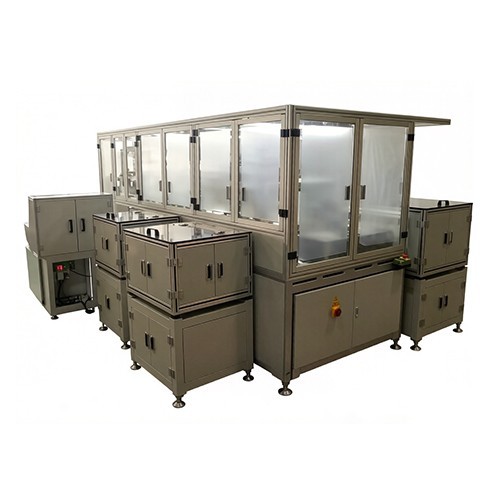
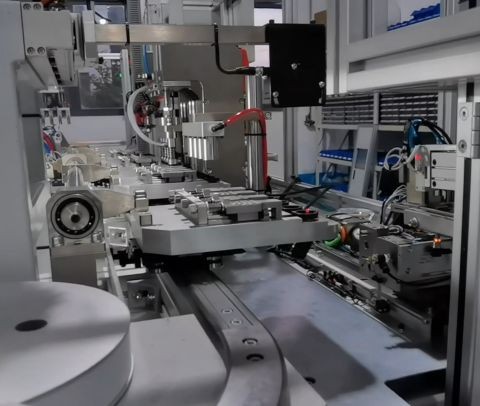
Now, I want to mention some other products that we offer in the automotive industry. We have an Electric Strut Assembly Performance Tester that can help you test the performance of electric struts in your vehicles. This tester is designed to provide accurate and reliable results, and it can help you ensure that your electric struts are working properly.
We also have Automotive Tubing Sealing Test Equipment. This equipment is used to test the sealing performance of automotive tubing. It can help you detect any leaks or defects in the tubing, which can help you prevent problems down the road.
And last but not least, we have an Automotive Hose Connector Automatic Assembly Line. This assembly line can help you automate the process of assembling automotive hose connectors. It can increase efficiency and reduce the risk of human error.
If you're in the market for automotive door lock riveting equipment or any of our other products, I encourage you to reach out to us. We're here to help you find the right solutions for your needs. Whether you're dealing with extreme temperatures or just looking for high-quality equipment, we've got you covered.
In conclusion, temperature can have a significant impact on the performance of automotive door lock riveting equipment. By understanding these impacts and taking the necessary steps to mitigate them, we can ensure that our equipment performs at its best. If you have any questions or need more information, don't hesitate to contact us. We're always happy to help.
References
- Smith, J. (2020). The Effects of Temperature on Industrial Equipment. Journal of Industrial Engineering, 15(2), 45-52.
- Johnson, A. (2019). Temperature Management in Automotive Manufacturing. Automotive Engineering Review, 22(3), 67-74.