How is the assembly line for automotive turbochargers?
The assembly of a turbocharger is a highly specialized and meticulous process.
First, the installation location is typically situated near the engine's exhaust manifold. This positioning allows the turbocharger to respond more rapidly to the energy of the exhaust flow-thereby minimizing turbo lag-while also optimizing the layout of the engine bay. However, this operating environment is characterized by high temperatures, placing stringent demands on heat dissipation.
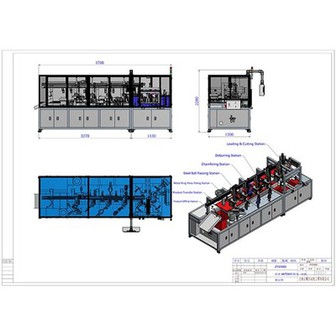
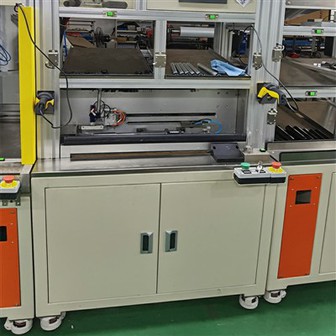
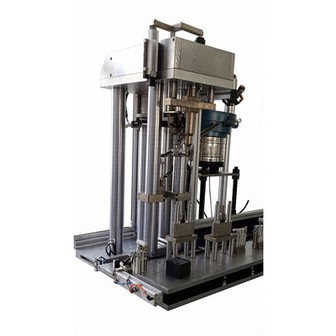
During assembly, it is essential to maintain a strictly controlled working environment. For instance, a mechanism such as the "Automatic Assembly Mechanism for Turbocharger Center Housing and Turbine Housing Components"-a technology for which a robotics firm has filed a patent-can significantly enhance assembly efficiency and ensure quality. Given the extremely high precision of the turbocharger's rotor bearings, the assembly process must be conducted within a dust-free cleanroom environment at a professional tuning shop.
Turbocharger lubrication is also a critical factor. If the oil pressure drops or the oil supply is sluggish, the bearings can sustain damage, potentially leading to component failure. A slow oil supply is a common occurrence during the initial engine startup following an oil and filter change; therefore, after driving at high speeds or ascending steep inclines, one should not immediately shut off the engine, but rather allow it to idle for approximately one minute. Similarly, after parking and restarting the vehicle, the engine should be allowed to idle for about three minutes, during which time one must refrain from aggressively depressing the accelerator to rapidly increase engine RPM.
Furthermore, the regulation of the turbocharger is a key aspect of its operation. This regulation typically occurs on the exhaust side; for example, when the engine speed reaches 1,800 RPM, a solenoid valve closes the bypass valve (wastegate), thereby directing the exhaust flow toward the turbocharger to drive its rotation. Additionally, some systems employ variable geometry technology, which regulates the turbocharger's speed and boost pressure by adjusting the angle of the turbine blades to alter exhaust flow resistance.
In summary, the assembly of a turbocharger demands a professional and meticulous approach, with careful attention paid to installation positioning, lubrication, and regulation. Only through such rigorous standards can the turbocharger effectively fulfill its role in enhancing overall engine performance.