A Brief Overview Of Automated Assembly Lines For Automotive Piping Systems
Factories specializing in automated production lines for automotive tubing systems focus on the efficient and precision manufacturing of various vehicle fluid lines-encompassing critical components such as fuel lines, brake lines, air conditioning lines, and cooling lines. These facilities typically possess comprehensive process validation lines and prototype development capabilities, enabling them to offer clients a one-stop service ranging from design verification to mass production, thereby ensuring that the tubing systems meet the safety and performance requirements of the complete vehicle.
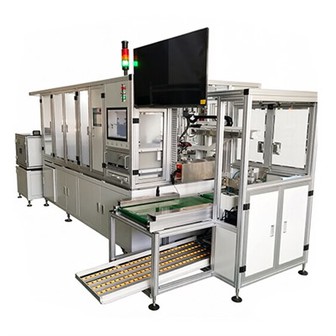
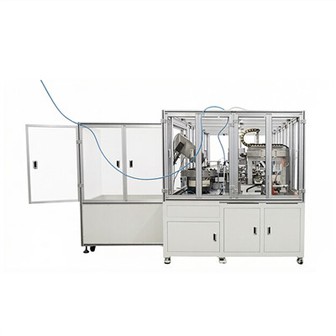
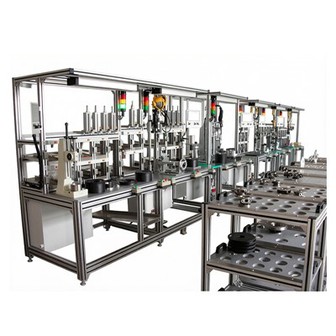
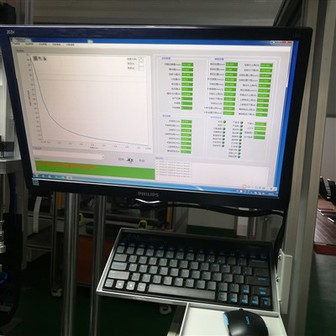
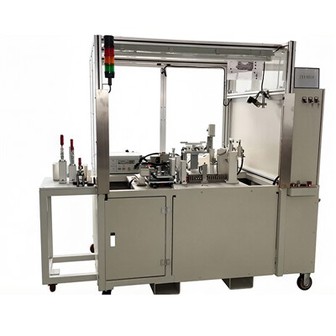
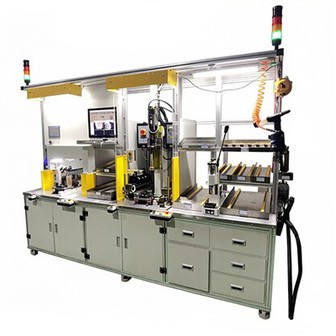
From a technical standpoint, these production lines integrate multiple processes-including tube bending, end forming, welding, inspection, and assembly-utilizing a modular layout and automated logistics systems to ensure seamless continuity throughout the entire workflow. Key equipment-such as tube benders, flaring machines, and laser welders-is outfitted with high-precision sensors and closed-loop control systems to guarantee processing consistency. Furthermore, certain high-end production lines incorporate vision-guided systems capable of automatically recognizing and adjusting to the spatial orientation of the tubes.
In practical application, automated automotive tubing production lines are widely utilized in the manufacturing of passenger vehicles, commercial vehicles, and new energy vehicles. To accommodate diverse materials-such as stainless steel, copper, and aluminum-these factories offer specialized process packages; by optimizing forming parameters and connection methods, they enhance both the leak-tightness and durability of the tubing systems. Concurrently, these facilities support the automated assembly of complex, spatially intricate tubing configurations.
Regarding future trends, these factories are actively driving the evolution of their production lines toward greater flexibility and intelligence. Through the integration of digital twin technology and artificial intelligence (AI), they are enabling the self-optimization of process parameters and predictive maintenance capabilities. Simultaneously, they engage in collaborative development with vehicle manufacturers, intervening early in the tubing system design phase to enhance overall integration efficiency.
In summary, by leveraging their specialized system integration capabilities and extensive process expertise, factories dedicated to automated automotive tubing production lines provide vehicle manufacturers with highly efficient and reliable tubing system solutions, thereby contributing significantly to the enhancement of both vehicle safety and manufacturing efficiency.