Automotive Electric Strut Development Process
Requirements Analysis and Planning
Market Research: Understand the needs of automotive manufacturers, target markets, and competing products; gather requirements regarding the performance, functionality, dimensions, and cost of the electric control lever.
Specification Definition: Based on research findings and the company's technical capabilities, define the technical specifications and performance metrics for the electric control lever-such as load capacity, actuation speed, and service life.
Project Planning: Develop a detailed development plan, clearly defining the tasks, milestones, assigned personnel, and resource allocation for each stage.
Design Phase
Conceptual Design: Propose multiple design concepts; conduct preliminary design work focusing on operating principles, structural layout, and materials; evaluate feasibility, pros, and cons; and select the optimal solution.
Detailed Design: Refine the selected concept; design the mechanical structure, electronic control system, and exterior aesthetics; specify the dimensions, shapes, materials, and connection methods for each component; and complete circuit schematics and PCB layouts.
CAE Analysis: Utilize Computer-Aided Engineering (CAE) software to analyze the strength, rigidity, and fatigue resistance of critical components, and to simulate the performance of the electronic control system, thereby optimizing the design.
Prototyping and Testing
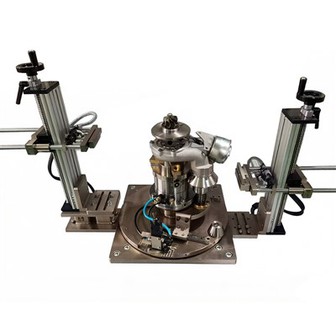
Prototype Fabrication: Fabricate prototypes based on detailed design drawings, employing appropriate manufacturing processes and materials; implement strict quality control during critical production steps to ensure the prototypes meet all design requirements.
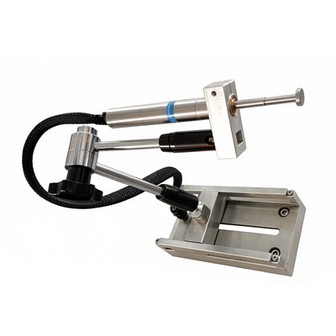
Performance Testing: Conduct comprehensive performance tests on the prototypes-including assessments of load capacity, actuation speed, precision, stability, and durability-to verify compliance with the defined specifications.
Reliability Testing: Conduct reliability tests-such as environmental adaptability and electromagnetic compatibility (EMC) assessments-to ensure the device operates stably and reliably under various operating conditions and environmental extremes.
Optimization and Improvement
Problem Analysis: Based on test results, analyze the root causes of any issues encountered, determining whether they stem from design flaws, material defects, or manufacturing process errors.
Design Optimization: Modify and optimize the design to address identified issues; subsequently, fabricate and test revised prototypes until all requirements are fully met.
Mass Production Preparation and Manufacturing
Process Design: Develop a manufacturing process plan for mass production; design necessary tooling and fixtures; and optimize production workflows to ensure high manufacturing efficiency and consistent product quality.
Supplier Management: Select qualified suppliers and establish a rigorous quality control system to ensure the quality of all raw materials and components.
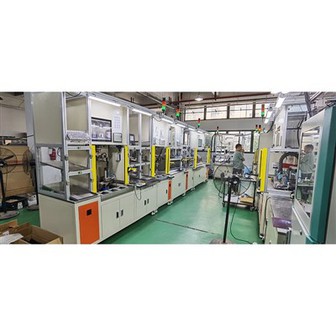
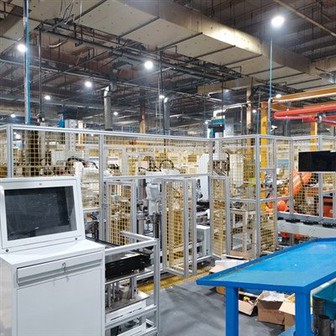
Production Line Setup: Construct the production line in accordance with the process plan and projected production scale; conduct equipment commissioning and provide training for production personnel.
Mass Production: Execute mass production operations in strict adherence to the production schedule and quality standards; implement rigorous quality inspections and controls throughout the manufacturing process to guarantee overall product quality. After-Sales Support and Feedback
After-Sales Service: Establish a comprehensive after-sales service system to promptly address issues reported by customers, providing services such as repairs and replacements.
Feedback and Improvement: Collect customer usage feedback and market intelligence to serve as a basis for continuous product improvement and the development of next-generation products.
Costs
The cost of an automotive electric control lever is primarily composed of the following components:
Raw Material Costs
Metal Materials: Components such as the housing and connecting rods of the electric control lever are typically manufactured using aluminum alloys or steel; their cost is subject to market price fluctuations.
Electronic Components: Electronic components-including motors, sensors, and controllers-constitute the core elements of the electric control lever; these components carry a high cost, accounting for approximately 30% to 40% of the total cost.
Manufacturing Costs
Production Equipment: The production of electric control levers necessitates the use of specialized manufacturing equipment-such as injection molding machines, stamping presses, and welding apparatus-the depreciation costs of which are amortized into the product cost.
Labor Costs: The production process involves extensive manual operations-including assembly, calibration, and inspection-making labor costs a significant component of the overall manufacturing costs.
Research and Development (R&D) Costs
Design Expenses: The R&D of automotive electric control levers requires substantial investment in human resources, material assets, and capital-encompassing stages such as design, testing, and validation-to ensure the product's performance and quality.
Patent Fees: To safeguard proprietary technologies and products developed in-house, companies must file for patents; these associated fees also contribute to the overall R&D costs.
Other Costs
Transportation Costs: Once production of the electric control levers is complete, they must be transported to automotive manufacturers or dealerships; these shipping costs influence the final cost of the product.
Administrative Costs: Corporate administrative expenses-such as management salaries, office supplies, and utility bills-are also allocated and amortized into the product cost.